
- Icons Lost in 2026: A Tribute to Stars Who Died
- Resident Evil Reboot: A 2026 Franchise Retrospective
ESPN’s Digital Pivot: How Live Sports Became Streaming’s Final Frontier
The world of TV is changing fast. As more people switch from cable to online streaming, live sports have become the main event in the battle for viewers. ESPN, a famous name in sports for decades, is making a major change. It’s using its huge collection of live games and original shows to compete in the new age of digital streaming.
Owned by The Walt Disney Company, ESPN’s move to streaming with its ESPN+ service is a huge shift in how we watch sports. For years, ESPN was the most important channel on cable TV. It was so popular that many people bought cable packages just to get it. Now, the company wants to reach a new audience of “cord-cutters” who have left cable behind. It’s offering sports to fans around the world who want to watch on their phones, tablets, or TVs, whenever and wherever they want.
The High-Stakes Game for Viewers
Experts say live sports are a key advantage for streaming services. Unlike a TV series you can watch all at once, live games are “can’t-miss” events. They happen at a specific time, which keeps people subscribed and coming back for more. The excitement of a live game, where anything can happen, builds a loyal group of fans. This is why advertisers and streaming companies value sports so much.
However, moving to global streaming isn’t easy. The biggest problem for ESPN is the complicated world of sports broadcasting rights. These rights are often sold for one country or region at a time. This is very different from a service like Netflix, which can release a show to everyone in the world at once. For ESPN to show games from the NFL, NBA, or Premier League in different countries, it must work through a tangled web of deals, which is a huge challenge.
Why This Matters for the Future
This big change affects more than just ESPN’s profits. As more top sports move to streaming services, there’s less reason for people to keep paying for cable TV. At the same time, the competition is growing fierce. Big tech companies with a lot of money, like Amazon and Apple, are now buying the rights to show major sports. Amazon has the NFL’s Thursday Night Football, and Apple has the MLS Season Pass. This new competition is making sports rights more expensive than ever, with final costs and figures not yet confirmed. It forces ESPN to keep finding new and better ways to deliver sports to fans. If they don’t, they could lose their top spot in the sports world they helped create.
What This Means for Fans
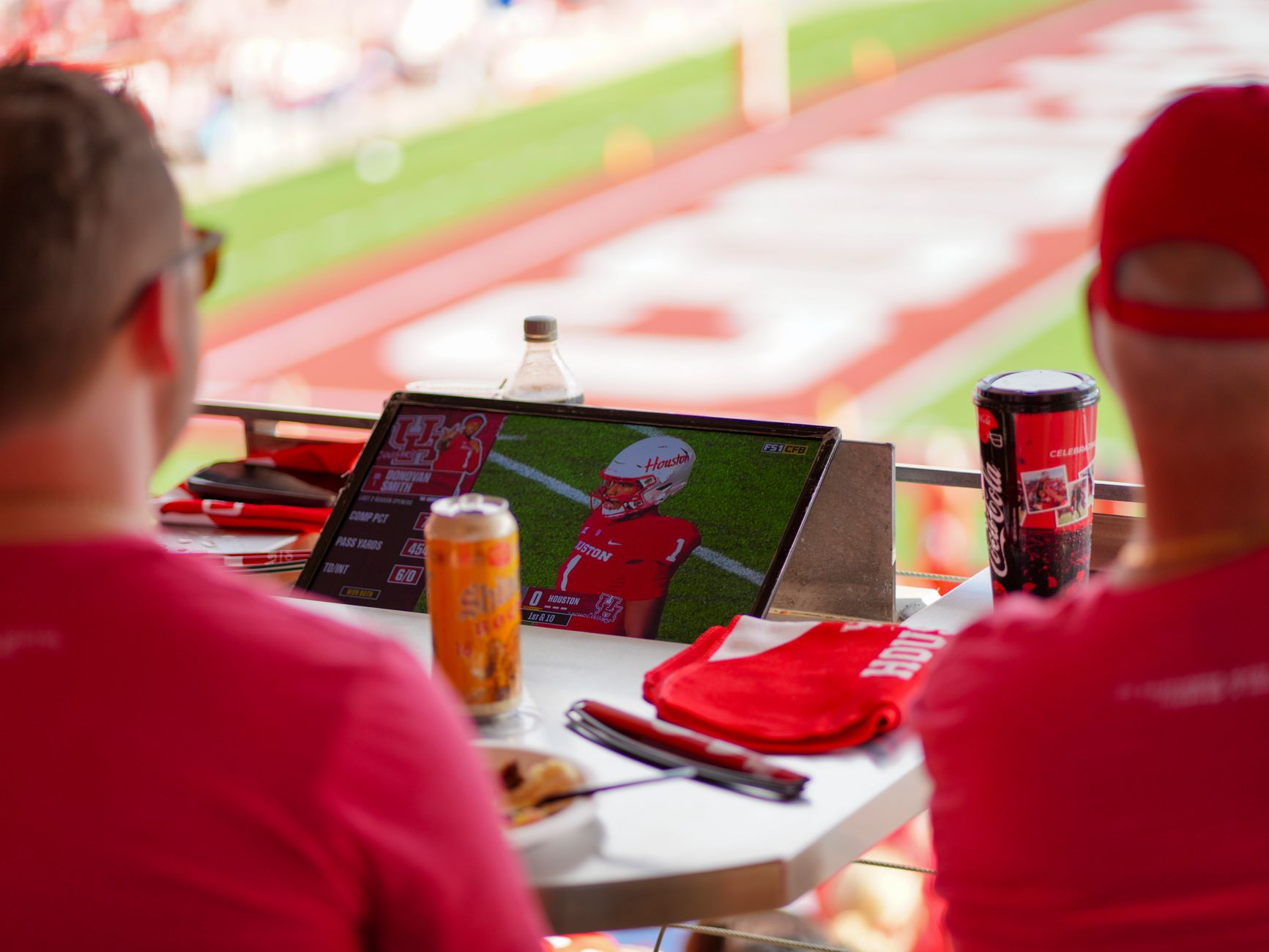
For sports fans, this shift brings both good and bad news. On one hand, there are more ways to watch than ever before. You are no longer tied to a cable box and can stream a game on your phone or tablet while traveling. On the other hand, the cost can add up. To watch all your favorite teams, you might need subscriptions to ESPN+, Amazon Prime, Apple TV+, and others. This can be confusing and more expensive than a single cable package. As ESPN and its rivals fight for control, fans are caught in the middle, trying to find the best and most affordable way to cheer on their teams. The future of watching sports will likely involve juggling a mix of different apps and services.
Image Credit: Photo by Photo Eddie O. on Pexels