
Nordic Wellness Surge: Why Ancient Therapies Beat Modern Spas

A significant shift is underway in the multi-trillion-dollar wellness industry, as travelers increasingly bypass high-tech luxury spas for the raw, elemental experiences of ancient Nordic therapies. This global surge is not just a trend but a fundamental re-evaluation of what constitutes genuine well-being.
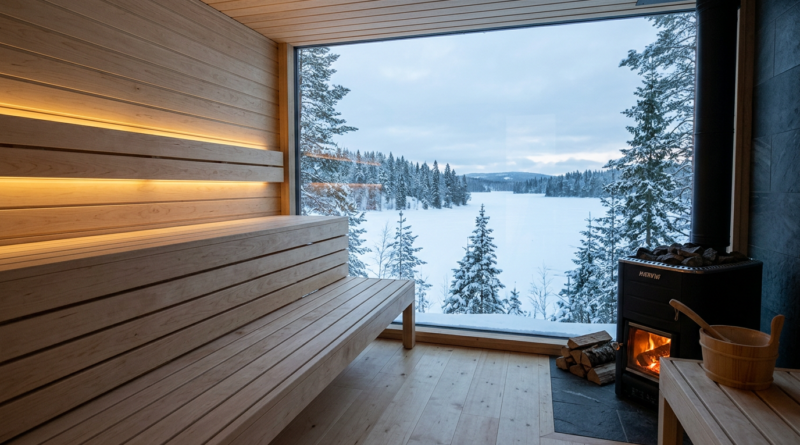
For years, the wellness travel market has been dominated by a model of passive luxury: plush robes, serene music, and technologically advanced but often impersonal treatments. However, a growing movement, highlighted in recent industry analysis including a report from The Frederick News-Post, points toward a powerful counter-trend. Consumers are now seeking out authentic, challenging, and nature-immersed practices rooted in Nordic traditions, such as wood-fired saunas, icy lake plunges, and mindful forest bathing (friluftsliv). The appeal lies precisely in what modern spa culture is not: it is less about pampering and more about building resilience.
Key Analysis: The Science of Hormetic Stress
The core of the Nordic wellness appeal can be understood through the lens of hormesis—the principle that small, controlled doses of stress can strengthen the body’s systems. Unlike the comfort-centric model of many modern spas, these ancient practices are built on contrast and adaptation.
Clinical interest in practices like sauna bathing and cold water immersion has grown significantly. Studies published in journals such as JAMA Internal Medicine and Mayo Clinic Proceedings have explored the effects of thermal stress. Regular sauna use is associated with a reduced risk of cardiovascular events, potentially through mechanisms like improved endothelial function and modulation of the autonomic nervous system. Similarly, cold water immersion triggers a significant release of norepinephrine, a hormone and neurotransmitter involved in focus, mood, and inflammation reduction. This is a stark contrast to treatments designed purely for relaxation, instead focusing on actively conditioning the body’s adaptive responses.
Why This Matters in the Long Run
This trend signifies a deeper cultural shift in our approach to health, moving from passive consumption to active participation. The pursuit of these therapies is not merely for a temporary feeling of relaxation, but for long-term physiological and psychological resilience. In an era of chronic stress and digital overstimulation, the simplicity and intensity of Nordic wellness offer a powerful antidote. It reflects a growing desire for tangible health outcomes and a reconnection with nature, suggesting the future of wellness may be less about escaping discomfort and more about learning to master it.
Ultimately, the surge in Nordic wellness tourism indicates a market pivot towards experiences that are authentic, evidence-informed, and transformative. As longevity science continues to validate the benefits of practices that challenge the body, this trend is poised to move from the niche to the mainstream.
Disclaimer: The health practices discussed involve intense physical stimuli. Individuals, especially those with pre-existing cardiovascular or other health conditions, should consult a physician before engaging in thermal stress therapies like saunas or cold plunges.
Frequently Asked Questions
What are the core ancient Nordic therapies driving this trend?
The trend primarily involves practices like traditional sauna bathing, cold water immersion (such as lake plunges), and a general focus on connecting with nature, often through activities like forest walks.
Why are these ancient therapies becoming more popular than modern spas?
Their appeal lies in offering an authentic, challenging experience that builds physical and mental resilience, which contrasts with the often passive, comfort-focused model of many modern spas.
Is there scientific evidence supporting these Nordic practices?
Yes, a growing body of research suggests that thermal stress from saunas and cold plunges can have health benefits, including improved cardiovascular function and mood regulation, through a process known as hormesis.
Image Credit: Editorial Illustration / The Pivot News AI
This article was generated by AI based on publicly available news sources and may contain inaccuracies. For the original reporting, please refer to the cited sources. Learn more about our AI policy.