

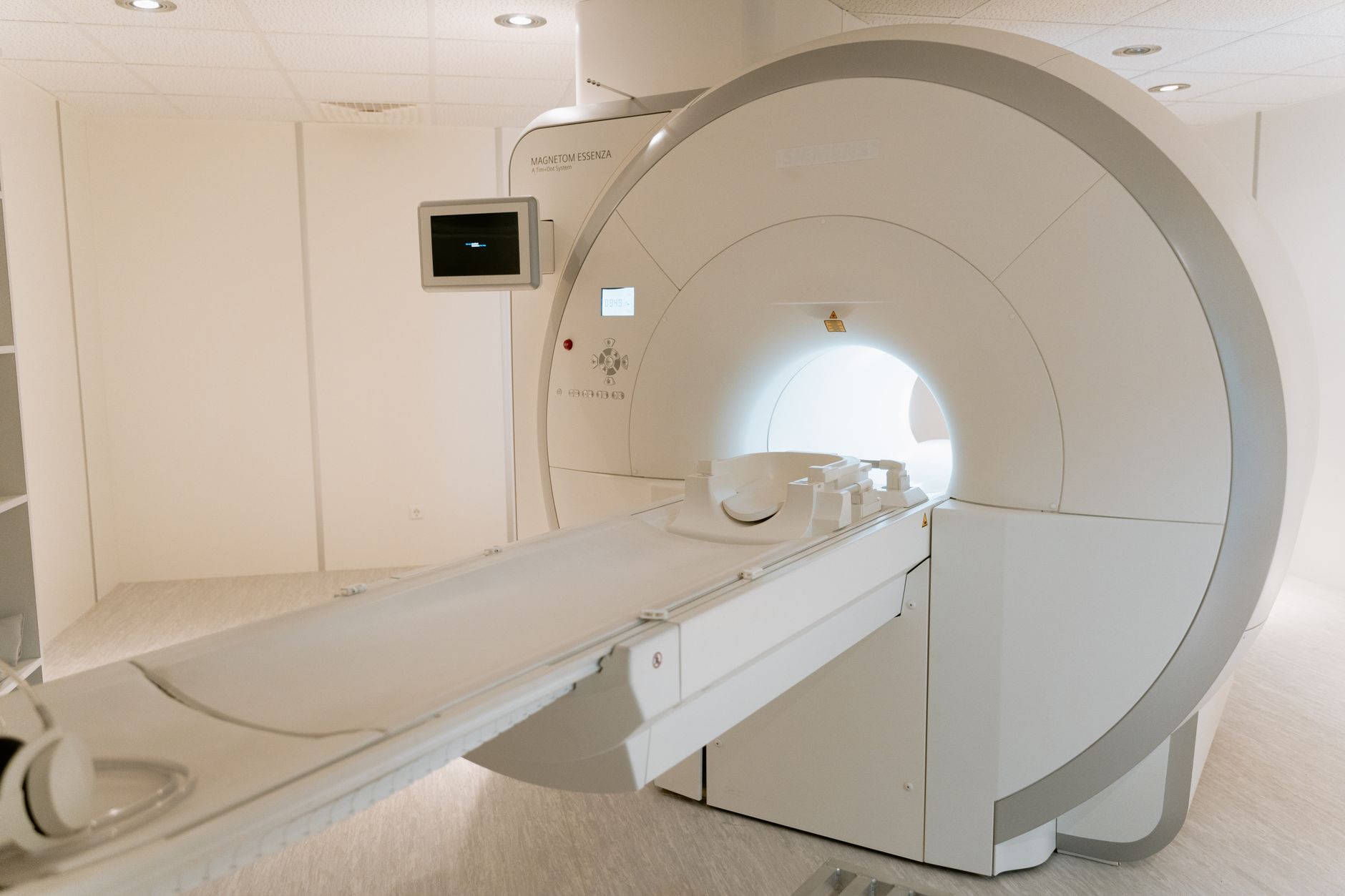
A single radiologist’s quest for clarity on market consolidation has cast a spotlight on a powerful, and often opaque, global trend: the rapid acquisition of specialized medical practices by private equity and large corporate entities. This movement is fundamentally altering the business structure of critical diagnostic fields like radiology, shifting the landscape from physician-owned clinics to large-scale, investor-backed platforms.
The development, highlighted by a report from Radiology Business, underscores a growing unease within the medical community. While the source notes a practitioner’s effort to simply “better understand” the consolidation, it signals a deeper inquiry into a market shift that has been accelerating for years. The core of this trend involves a classic private equity “roll-up” strategy: acquiring numerous small, independent radiology practices and merging them into a single, larger organization. This creates economies of scale, enhances bargaining power with insurers and equipment suppliers, and builds a substantial asset for a future sale or initial public offering (ipo).
Key Analysis: The Investment Thesis
From a global market perspective, the logic driving capital into radiology is compelling. The specialty possesses several characteristics highly attractive to financial sponsors. Firstly, it is a non-discretionary service with stable, predictable revenue streams; medical imaging is fundamental to modern diagnosis and treatment across nearly all fields of medicine. Secondly, the industry is capital-intensive, requiring significant investment in expensive MRI, CT, and PET scanners. Larger, well-capitalized corporate entities can leverage their balance sheets to acquire cutting-edge technology and negotiate better purchasing terms than smaller, independent practices.
Market analysts note that the investment playbook focuses on operational arbitrage and margin expansion. By standardizing protocols, centralizing administrative functions like billing and HR, and implementing proprietary workflow software, consolidators aim to significantly boost the EBITDA (Earnings Before Interest, Taxes, Depreciation, and Amortization) of the combined entity. This operational streamlining, coupled with the potential for multiple arbitrage—where a larger, more stable company commands a higher valuation multiple than the smaller firms it acquires—forms the basis for substantial returns on investment.
Practitioner Pushback and Regulatory Scrutiny
The trend is not without friction. The radiologist’s search for information, as reported, reflects a broader concern among physicians regarding the loss of clinical autonomy. In a physician-owned model, clinical decisions and business operations are intrinsically linked, often allowing practitioners direct control over patient care protocols, technology adoption, and staffing. In a corporate or private equity-backed model, practitioners can become employees, potentially perceiving a diminished voice in strategic decisions and clinical practice guidelines. This shift can lead to concerns about patient care quality being influenced by profit motives rather than purely clinical considerations.
Many radiologists worry that the drive for efficiency and cost reduction inherent in consolidated models could impact the time spent with patients, the choice of imaging modalities, or even the interpretation process. The potential for standardized procedures, while beneficial for some aspects, might also limit a physician’s ability to tailor care to individual patient needs. Furthermore, the erosion of physician ownership may reduce opportunities for future generations of radiologists to build independent practices, fundamentally altering career paths within the specialty.
Implications for Patient Care and Access
The impact of this consolidation on patients is a critical area of concern. While proponents argue that larger entities can invest more in advanced technology and offer broader access to services, critics fear potential downsides. Centralized billing practices, for example, can sometimes lead to confusion or higher costs for patients if out-of-network rates are applied by the larger entity, even if the individual practice was previously in-network. There are also questions about whether consolidation leads to reduced competition, potentially allowing consolidated groups to command higher prices from insurers, which can ultimately trickle down to patients through increased premiums or out-of-pocket expenses. Ensuring equitable access to high-quality imaging services, particularly in underserved areas, remains a key challenge in this evolving landscape.
As the trend continues, regulatory bodies are beginning to scrutinize these consolidations more closely. Concerns about potential anti-trust violations, price gouging, and the overall impact on healthcare quality and accessibility are prompting discussions among policymakers. The radiologist’s quest for understanding, therefore, represents not just an individual’s curiosity, but a widespread professional and public interest in the future of medical imaging services in an increasingly corporatized healthcare environment. The long-term effects on clinical practice, physician well-being, and patient outcomes are still unfolding, necessitating ongoing observation and analysis.
Image Credit: Photo by MART PRODUCTION on Pexels