October 14, 2026 – September 2026 proved to be an exceptionally vibrant month for the global venture capital landscape, with a remarkable 38 companies achieving unicorn status, according to Crunchbase News. This significant influx, reported as a ‘blockbuster September’, underscores a sustained acceleration in tech investment, particularly within highly strategic and capital-intensive sectors.
The latest cohort of companies reaching the coveted $1 billion valuation threshold was predominantly propelled by advancements in semiconductor technology, financial technology (Fintech), and the burgeoning space technology industry. This surge reflects a critical juncture in global innovation, where foundational technologies and disruptive market models are attracting substantial investor confidence.
Key Analysis: Sectoral Drivers and Market Implications
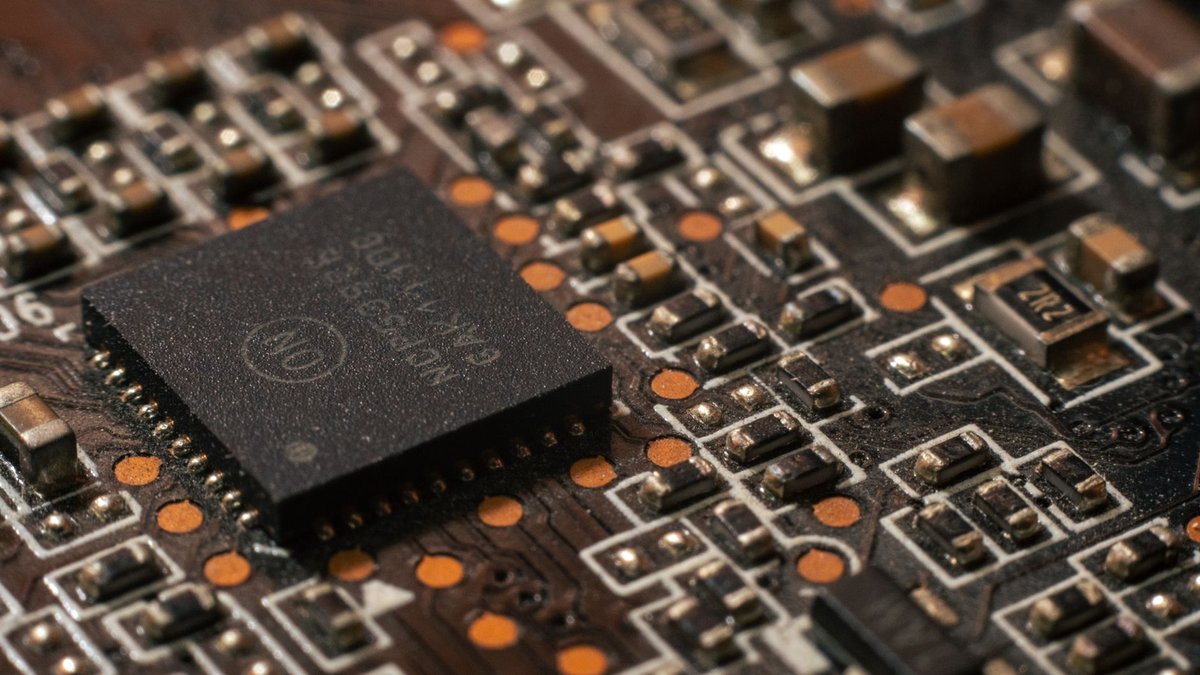
The pronounced leadership of semiconductors, Fintech, and space tech in this unicorn wave is not coincidental. Analysts suggest that the semiconductor sector’s robust growth is largely fueled by the relentless demand for advanced computing power, critical for artificial intelligence (AI) development, quantum computing research, and the expansion of edge computing infrastructure. Institutions like MIT’s Microsystems Technology Laboratories have consistently highlighted the foundational role of novel chip architectures in unlocking the next generation of technological capabilities, making semiconductor startups prime targets for high-value investment. This demand creates a fertile ground for innovation in chip design, manufacturing processes, and specialized components.
Fintech’s continued ascent, meanwhile, points to the ongoing global digital transformation of financial services. With increasing regulatory complexity and a persistent drive for efficiency, companies offering innovative solutions in areas such as blockchain-based finance, embedded finance, and advanced fraud detection are seeing rapid adoption. The shift towards decentralized finance (DeFi) and the maturation of digital payment ecosystems globally, particularly in emerging markets, continue to present vast opportunities for disruption and growth, as observed by researchers at Stanford’s Graduate School of Business.
The rise of space tech unicorns signals a pivotal moment for the commercialization of space. Beyond government-led initiatives, private enterprises are increasingly dominating areas like satellite broadband, in-orbit manufacturing, space tourism, and advanced earth observation. NASA’s collaborations with private entities have opened new avenues for innovation, reducing launch costs and expanding access to space. This creates a powerful feedback loop where technological breakthroughs lead to new market opportunities, attracting significant venture capital and accelerating the path to unicorn status for companies developing everything from reusable rockets to advanced satellite constellations.
Why This Matters in the Long Run
The sustained rate of unicorn creation, particularly concentrated in these strategic sectors, signals a long-term recalibration of global economic power and technological leadership. Investments in semiconductors are critical for national security and economic competitiveness, directly impacting progress in AI, defense, and advanced manufacturing. The expansion of Fintech democratizes financial access and streamlines global commerce, reshaping traditional banking paradigms. Furthermore, the commercialization of space tech promises to unlock entirely new economies and scientific frontiers, with implications for resource management, communication, and human expansion beyond Earth.
This trend underscores a global investment strategy focused on foundational technologies and disruptive business models that promise exponential returns and significant societal impact. The continued flow of capital into these areas suggests that the current technological revolution is far from over, with further innovation and market disruption anticipated in the coming years.
The blockbuster September of 2026 serves as a powerful indicator of where capital is flowing and where the next wave of transformative technologies is emerging, setting the stage for future advancements across the global tech ecosystem.
Image Credit: Photo by cottonbro studio on Pexels