
Iran Conflict 2026: The Critical Stakes Explained
Previously: Instability in Syria | Global Conflict Tracker – Council on Foreign Relations
A significant geopolitical conflict has emerged in the Persian Gulf region in 2026, drawing in major international powers and threatening one of the world’s most critical maritime chokepoints. The situation, widely referred to as the 2026 Iran conflict, has prompted in-depth analysis from encyclopedic sources such as Britannica, highlighting its complexity and global ramifications.
The conflict’s primary actors include Iran, the United States, and Israel, with tensions centered on the strategically vital Strait of Hormuz. International attention is intensely focused on the actions of these nations, the potential for escalation, and the diplomatic pathways to de-escalation. The involvement of the U.S. and Israel underscores the deep-seated strategic concerns and historical friction that define the region’s security landscape.
Key Geopolitical Dynamics
Understanding the current crisis requires examining the core elements that have brought it to the forefront of international concern. Analysts point to a convergence of long-standing tensions and immediate strategic calculations.
A Triangle of Tensions: US, Israel, and Iran
The relationship between Iran, the United States, and Israel has been a defining feature of Middle Eastern geopolitics for decades. Observers note that the current conflict is an acute manifestation of this dynamic. The strategic postures of Washington and Tel Aviv concerning Tehran’s regional influence and military capabilities are central to the unfolding events. Diplomatic and military maneuvering by all three parties is being scrutinized by the international community, including bodies like the United Nations, for signs of either escalation or potential off-ramps.
The Strait of Hormuz: A Global Economic Chokepoint
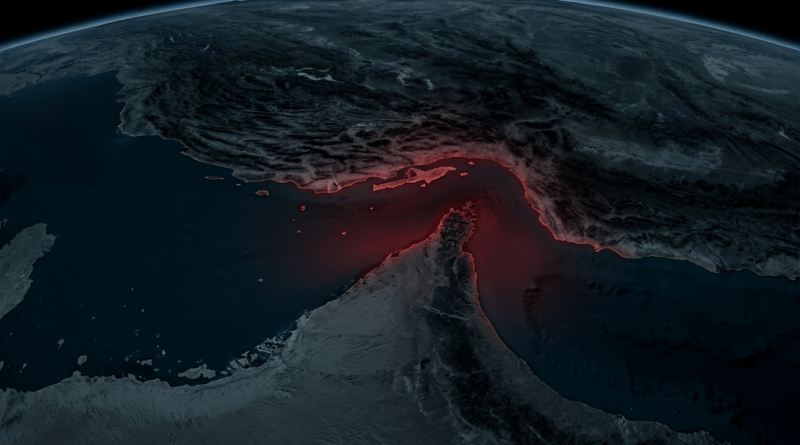
The geographic focus on the Strait of Hormuz elevates the conflict from a regional issue to a global economic security threat. As the conduit for a substantial portion of the world’s seaborne oil trade, any disruption in this narrow waterway could have immediate and severe consequences for global energy prices and supply chains. The potential for maritime incidents in the strait remains a primary concern for international trade and security organizations.
The Search for a “Deal”
Central to the discourse surrounding the conflict is the mention of a potential or past “deal.” According to reports, diplomatic circles are intensely debating the nature of such an arrangement. The key question remains whether this refers to the breakdown of a previous international agreement or the framework for a new settlement to resolve the current hostilities. The pursuit of a viable diplomatic solution is considered the top priority for the UN Security Council and other international mediators to prevent a wider conflagration.
Why This Matters in the Long Run
The long-term implications of the 2026 Iran conflict are profound. A sustained conflict could fundamentally alter the security architecture of the Middle East, test the durability of international alliances, and potentially trigger a global economic recession driven by an energy crisis. The situation serves as a critical test for international law and the mechanisms of collective security designed to prevent and resolve conflicts between states. The outcome will likely shape global power dynamics and the rules-based international order for years to come.
As the situation develops, the international community remains on high alert, with a focus on containing the conflict and fostering dialogue to navigate away from a catastrophic outcome.
Frequently Asked Questions
Who are the main parties involved in the 2026 Iran conflict?
Based on available analysis, the primary parties involved in the conflict are Iran, the United States, and Israel.
Why is the Strait of Hormuz significant in this conflict?
The Strait of Hormuz is a critical maritime chokepoint for a significant portion of the world’s oil supply. Any disruption in this strait has major implications for the global economy.
Is there a diplomatic solution or “deal” being discussed?
The term “deal” is central to the discussion, though its nature is a key point of analysis. It could refer to efforts to de-escalate the current conflict or the status of prior international agreements.
Image Credit: Editorial Illustration / The Pivot News AI
This article was generated by AI based on publicly available news sources and may contain inaccuracies. For the original reporting, please refer to the cited sources. Learn more about our AI policy.