

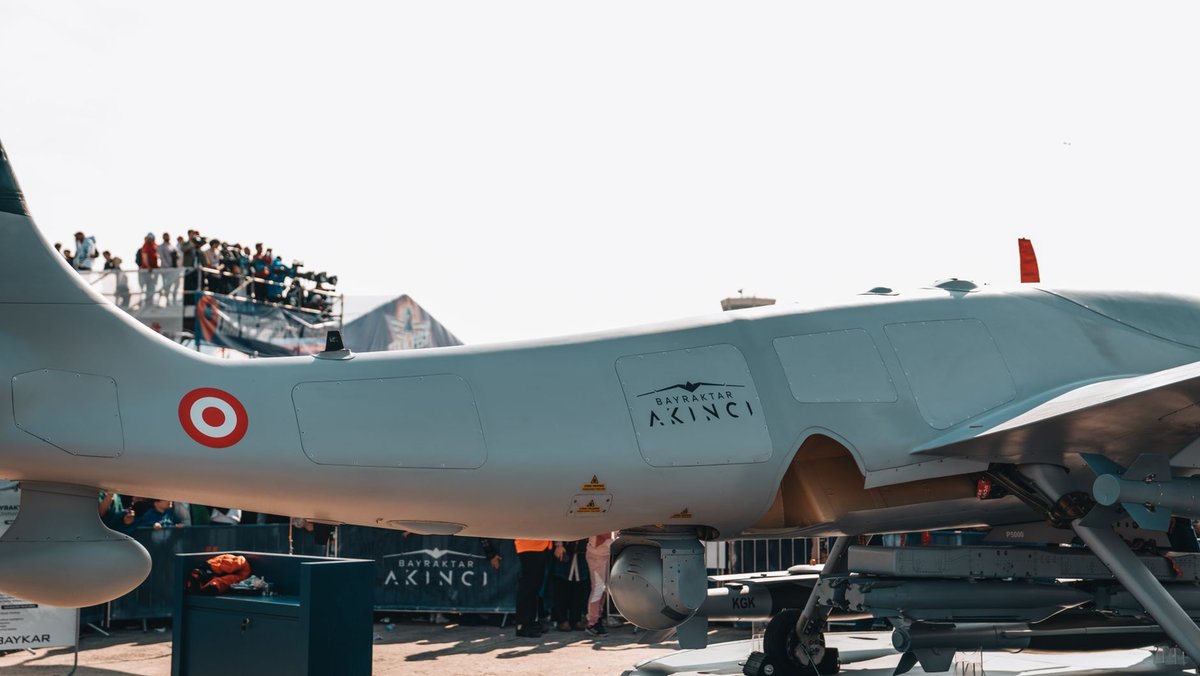
- Boaz Levy on AI’s Transformative Role in Future Warfare
- AI Warfare: Boaz Levy’s Vision for the Future Battlefield in 2026
- AI Warfare: Boaz Levy Outlines Future Battlefield in 2026
The integration of artificial intelligence (AI) into defense systems is rapidly reshaping the landscape of global security, moving from theoretical discussions to operational realities. By September 2026, the strategic importance of AI in military applications has become a central theme in international defense dialogues.
In a recent address, Boaz Levy, a prominent figure in the defense technology sector, outlined his vision for the future battlefield, emphasizing the pervasive and transformative role of AI. His remarks, as reported by The Jerusalem Post, underscore a critical shift in military strategy and technological development, a topic that has gained significant traction among global defense leaders and policymakers.
The ‘Why’ Behind AI Integration
The drive for AI in defense stems from an insatiable demand for speed, precision, and data processing capabilities far beyond human capacity. AI-driven systems promise to accelerate decision cycles, enhance intelligence gathering, and enable more accurate targeting, thereby creating a significant strategic advantage. This includes advanced predictive analytics for threat assessment and the development of autonomous or semi-autonomous systems for reconnaissance and engagement. Experts from institutions like MIT and DeepMind have consistently highlighted AI’s potential to process vast datasets from diverse sensors, providing commanders with unprecedented situational awareness and predictive capabilities.
Ethical and Operational Complexities
However, the proliferation of AI on the battlefield introduces profound ethical dilemmas and operational complexities. Questions surrounding accountability for autonomous actions, the potential for algorithmic bias in targeting, and the escalation risks associated with machine-speed warfare are at the forefront of policy debates globally. Research from institutions like the Stockholm International Peace Research Institute (SIPRI) and numerous university ethics labs continues to highlight the urgent need for robust international frameworks to govern the development and deployment of lethal autonomous weapons systems (LAWS).
Why This Matters in the Long Run
The discussions initiated by leaders like Levy are not merely theoretical; they reflect a fundamental re-evaluation of military doctrines and international relations. The long-term implications include a potential new arms race focused on AI supremacy, the redefinition of conventional warfare, and the imperative for global powers to establish norms and regulations for AI in conflict. The ongoing evolution of AI in defense will shape geopolitical stability for decades to come, demanding continuous dialogue and collaboration among nations, defense contractors, and AI research communities to navigate these complex challenges responsibly.
As AI continues to embed itself within defense capabilities, the future battlefield will be characterized by unprecedented technological sophistication, requiring equally sophisticated ethical and strategic oversight.
Image Credit: Photo by Sami TÜRK on Pexels