- US Unveils 2026 National Security S&T Strategy
- 2024 Advanced Energy Conference: Its 2026 Resonance in Global Power Transition
- Energy Transition 2026: Analyzing the Impact of SBU’s Advanced Energy Conference
Data Centers’ Energy Future: The Clean Energy Imperative in 2026
As of late 2026, the exponential growth of digital infrastructure continues to place unprecedented demands on global energy grids. A foundational analysis from the Department of Energy (DoE) in earlier years underscored a critical challenge: meeting the escalating electricity needs of data centers with sustainable, clean energy resources. This early foresight from the DoE has proven increasingly prescient as artificial intelligence (AI) workloads and cloud computing continue their relentless expansion, pushing the boundaries of energy consumption.
The Unfolding Energy Challenge for Digital Infrastructure
The Department of Energy’s analysis highlighted that data centers, the silent engines of our digital world, are not merely energy consumers but represent a significant and growing portion of national electricity demand. The original report emphasized the urgency of integrating clean energy solutions – including renewables, advanced nuclear, and grid modernization strategies – to mitigate the environmental impact and ensure the reliability of the power supply. Today, in 2026, this integration is no longer a distant goal but an immediate operational necessity. The push for more powerful AI models, such as those developed by DeepMind or OpenAI, requires vast computational resources, each demanding substantial power, intensifying the original concerns raised by the DoE.
While the DoE’s initial focus was largely on the technical feasibility and strategic importance of clean energy integration, subsequent years have seen global market dynamics shift significantly. Major tech companies, under increasing pressure from investors and regulatory bodies, have accelerated their commitments to 100% renewable energy for their data center operations. This shift is not purely altruistic; it reflects a growing understanding that energy independence, price stability, and a reduced carbon footprint are competitive advantages in a world grappling with climate change and geopolitical energy volatility. Research from institutions like Stanford University has continuously modeled the energy implications of emerging AI architectures, reinforcing the scale of the challenge that the DoE initially identified.
Key Analysis: Navigating a Sustainable Digital Horizon
Analysts suggest that the DoE’s early advocacy for clean energy integration laid important groundwork for subsequent public-private partnerships aimed at decarbonizing the digital economy. The report effectively framed the energy transition for data centers not just as an environmental issue, but as a matter of national economic security and technological leadership. The development of more efficient cooling technologies, advanced power management systems, and location-agnostic data center designs capable of tapping into diverse renewable energy sources have all gained traction since the DoE’s initial pronouncements. Ethical considerations, particularly regarding the energy equity implications for communities hosting these energy-intensive facilities, have also become a more prominent part of the dialogue, as noted by observers at MIT’s Environmental Solutions Initiative.
Why This Matters in the Long Run
The long-term implications of the Department of Energy’s early focus on data center clean energy are profound. As our global society becomes increasingly reliant on digital services – from AI-driven healthcare to smart city infrastructure and autonomous systems – the underlying energy footprint must be sustainable. Failure to address this would not only exacerbate climate change but also introduce critical vulnerabilities into our digital future. The ongoing efforts to power data centers with clean energy are central to achieving a truly resilient, equitable, and technologically advanced global civilization, ensuring that the benefits of the digital age are not undermined by its environmental costs.
Conclusion
The imperative to power data centers with clean energy, first highlighted with clarity by the Department of Energy, remains a defining challenge of our era. The trajectory set by these early analyses continues to guide innovation and policy, shaping a future where digital progress and environmental stewardship can coexist.
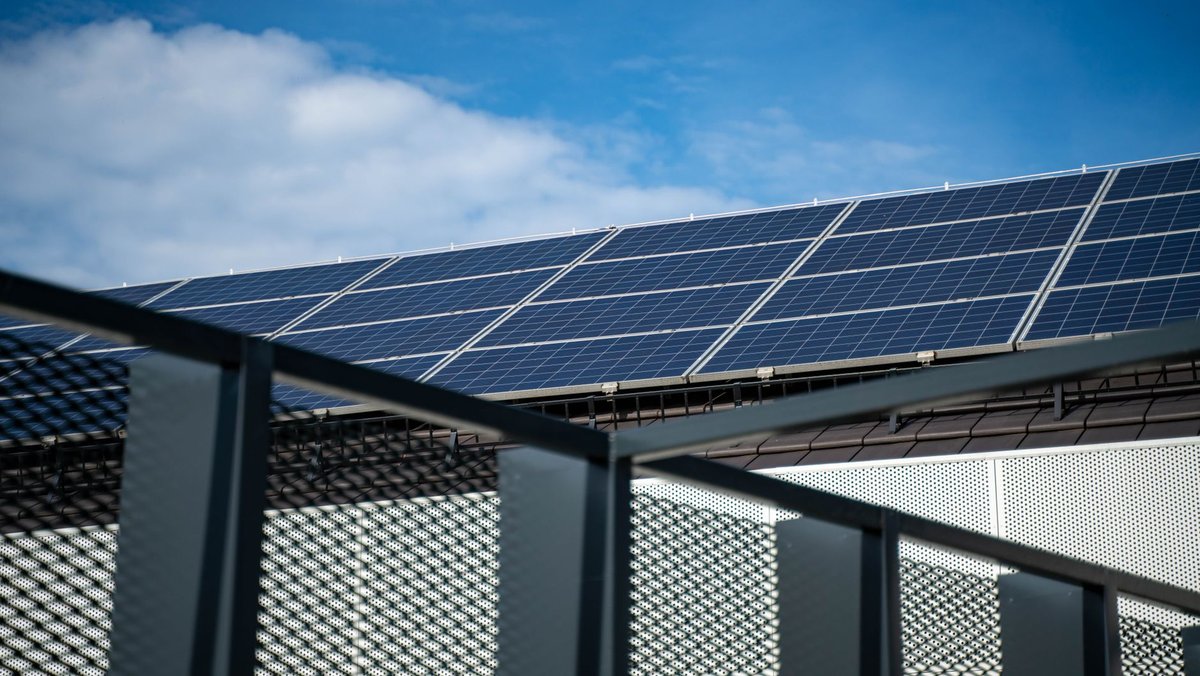
Image Credit: Photo by Vladimir Srajber on Pexels