- Data Centers’ Energy Future: The Clean Energy Imperative in 2026
- Japan’s Tech Future: A 2026 Retrospective on Strategic Innovation
- 2026 National Security Strategy: Tech Innovation for US Security
Transformative AI: Redefining Independence 2026
By late 2026, the convergence of artificial intelligence, advanced robotics, and sophisticated neural interfaces has profoundly reshaped the landscape of human autonomy, offering unprecedented levels of independence to millions globally.
Once confined to the realms of science fiction, these technologies are now integral to daily life, moving beyond mere assistive devices to become true augmentations. This shift, noted by industry observers, marks a critical juncture in how society defines and supports individual capabilities, particularly for those with physical challenges or unique needs. The ongoing development, fueled by significant investments in R&D, is poised to democratize access to tools that enhance personal agency, as reported by Hindustan Times.
Key Analysis: The Pillars of Enhanced Autonomy
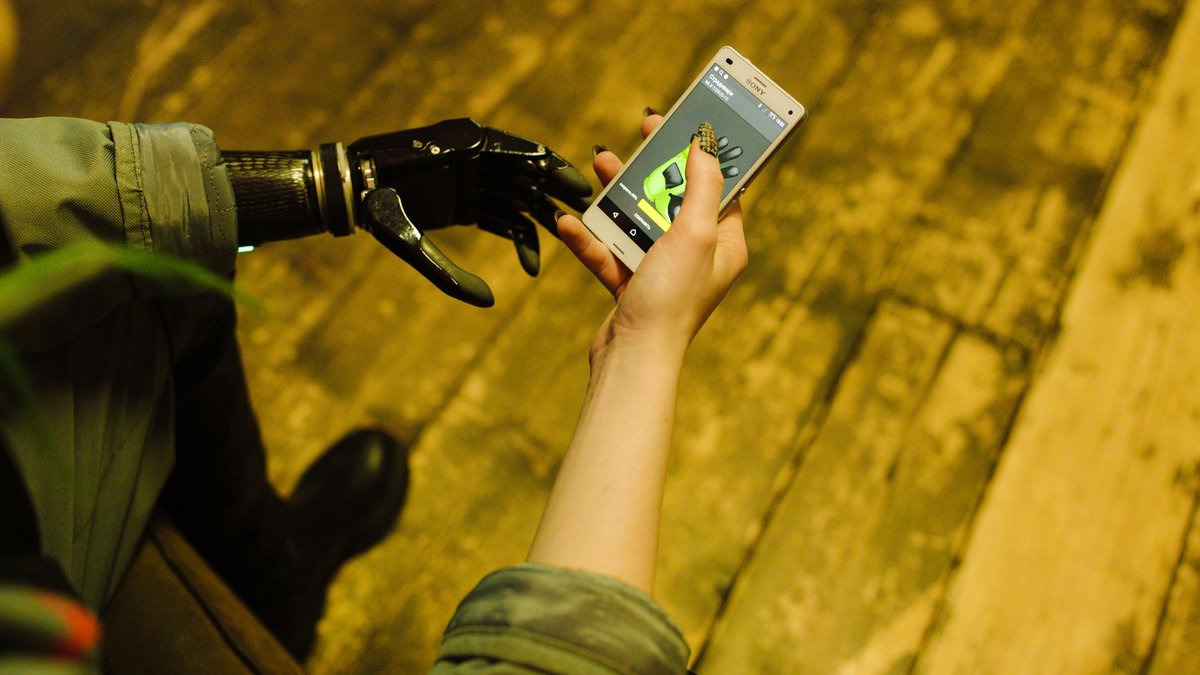
The redefinition of independence is underpinned by three technological pillars. Artificial intelligence, acting as the intelligent core, powers predictive assistance and adaptive learning systems. For instance, AI algorithms in smart prosthetics, as developed by research groups at institutions like MIT and Stanford, learn user intent and adapt movements with remarkable fluidity, making them feel like natural extensions of the body. This cognitive layer allows devices to anticipate needs, from navigating complex environments to managing personal schedules, offering a proactive form of support.
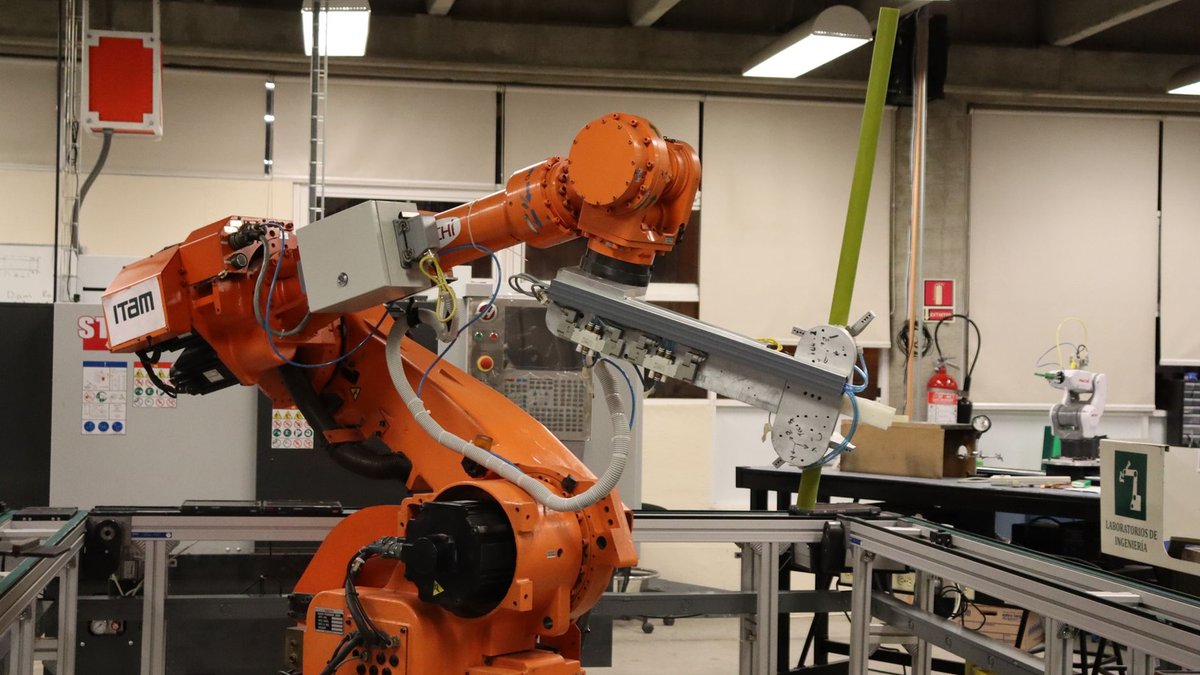
Robotics, meanwhile, provides the physical manifestation of this autonomy. Advanced exoskeletons and robotic limbs are no longer cumbersome machines but sleek, responsive systems. Innovations from leading tech firms and academic spin-offs have led to lightweight, powerful robotic aids that restore mobility and dexterity, enabling individuals to perform tasks previously thought impossible. These robotic companions and augmentations are expanding the boundaries of physical capability, fostering greater participation in work and social life.
Neural Interfaces: Directing the Future
Perhaps the most transformative aspect lies in neural interfaces, or Brain-Computer Interfaces (BCIs). These technologies establish a direct communication pathway between the brain and external devices. Early applications, widely reported by tech journals, focused on allowing individuals with severe paralysis to control computers or robotic arms simply through thought. Newer advancements, emerging from labs such as those at DeepMind and various university consortia, are exploring bidirectional communication, potentially restoring sensory feedback or even enabling direct neural control over complex environments. While still nascent, the ethical implications surrounding data privacy, cognitive augmentation, and the very definition of human identity are subjects of intense debate among bioethicists and policymakers.
Why This Matters in the Long Run
The long-term implications of these advancements extend far beyond individual empowerment. This technological evolution challenges traditional notions of disability, fostering a more inclusive global society where physical limitations are increasingly surmountable. It also sets the stage for a future where human-machine symbiosis becomes more prevalent, potentially influencing educational paradigms, labor markets, and even healthcare delivery on a global scale. As these technologies mature, their integration will necessitate robust regulatory frameworks and societal dialogues to ensure equitable access and prevent unintended consequences, shaping the very fabric of human experience for generations to come.
As AI, robotics, and neural interfaces continue their rapid advancement, the ongoing redefinition of independence promises a future where personal autonomy is not only restored but profoundly expanded, demanding careful ethical stewardship alongside technological innovation.
Image Credit: Photo by Yaroslav Shuraev on Pexels