

- IEEE Champions Innovators: Driving Future Tech in 2026
- Emory & Georgia Tech Dual-Degree: Bridging Robotics and Medicine for Future Healthcare
- Emory-Georgia Tech Dual-Degree Pathway: A 2026 Retrospective on Med-Robotics Integration
Emory & Georgia Tech Launch Dual-Degree in Medicine and Robotics
In a significant move poised to redefine the future of healthcare, Emory University and the Georgia Institute of Technology have unveiled a pioneering dual-degree pathway that strategically bridges the disciplines of medicine and robotics.
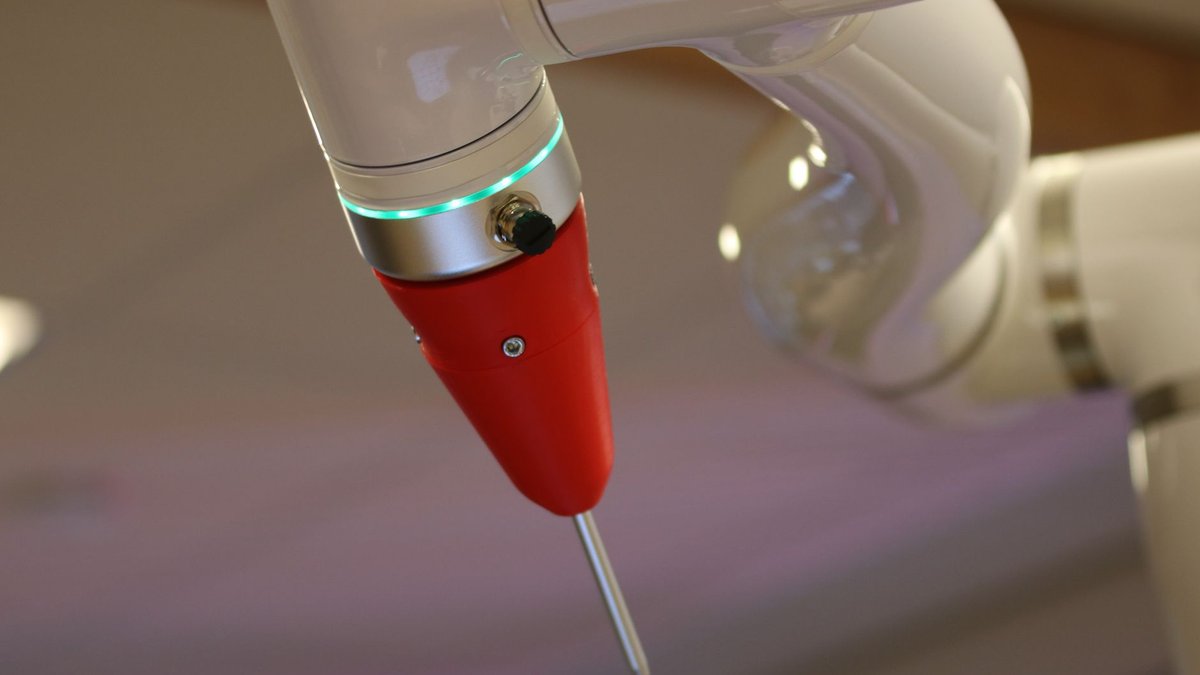
This innovative program, a collaboration between two leading institutions, aims to cultivate a new generation of professionals equipped with both deep medical understanding and advanced robotic engineering expertise. The initiative directly addresses the growing demand for interdisciplinary specialists capable of developing, implementing, and optimizing robotic technologies in clinical settings, from surgical assistance to patient care and rehabilitation. This convergence is critical as healthcare increasingly relies on sophisticated automated systems to enhance precision, efficiency, and accessibility.
Key Analysis: Forging the Future of Med-Tech
The establishment of such a specialized dual-degree pathway by institutions of Emory’s medical renown and Georgia Tech’s engineering prowess underscores a fundamental shift in how future medical professionals will be trained. Traditionally, medical and engineering fields have operated largely in silos, with collaboration often occurring at the research level rather than through integrated educational curricula. This new program, however, embeds robotic principles directly into medical education, and vice-versa, creating graduates who are inherently fluent in both domains.
Analysts suggest that this integrated approach will accelerate the pace of medical innovation. Graduates will not only understand the clinical needs but also possess the technical skills to design and refine robotic solutions, potentially leading to breakthroughs in minimally invasive surgery, prosthetics, advanced diagnostics, and personalized medicine. The program’s design reflects a broader industry trend towards intelligent automation in healthcare, where the ethical implications and human-machine interface are as critical as the technological capabilities themselves. By fostering expertise in both areas, the pathway aims to ensure that robotic advancements are developed responsibly and effectively integrated into patient care, enhancing outcomes while maintaining patient safety and trust.
Why This Matters in the Long Run
The Emory and Georgia Tech dual-degree pathway represents more than just an academic offering; it is a blueprint for the future of medical education and the healthcare industry. As artificial intelligence and robotics continue their inexorable march into every facet of life, their integration into medicine is inevitable and transformative. This program anticipates the exponential growth of medical robotics, preparing a workforce capable of navigating the complex interplay between human biology, clinical practice, and advanced technological systems. It signals a global recognition that the most impactful innovations will emerge at the intersection of traditionally disparate fields, driving demand for similarly integrated curricula worldwide. The long-term impact will be a healthcare ecosystem where technology is not merely a tool but an intrinsic, intelligent partner in diagnosis, treatment, and recovery.
This strategic alliance between Emory and Georgia Tech sets a precedent for how leading academic institutions can proactively shape the future of critical sectors, ensuring a pipeline of talent ready to meet tomorrow’s complex challenges in health technology.
Image Credit: Photo by Freek Wolsink on Pexels