
- AI’s Foundational Crossroads: Reflecting on Critical Choices from the Turbulent Era
- Medical AI’s Next Frontier: From Treatment to Prevention
- Critical AI Choices: Bill Gates on Navigating the Turbulent Era
Georgia Tech’s ETHOS: Advancing Human-Centered Medical Innovation by 2026
Launched in the mid-2020s, Georgia Tech’s ETHOS initiative has, by September 2026, solidified its position as a critical driver in the evolution of medical research. This strategic program was established with the explicit goal of embedding human-centric principles into the very fabric of technological development within healthcare, moving beyond traditional, technology-first approaches.
The core philosophy behind ETHOS was to ensure that medical advancements are not only scientifically robust but also deeply empathetic, intuitive, and genuinely beneficial to the end-users: patients, caregivers, and clinicians. This involves a rigorous focus on usability, accessibility, ethical implications, and the real-world context in which healthcare solutions are deployed. By prioritizing the human experience from conception to implementation, Georgia Tech aimed to address long-standing challenges in adoption and efficacy often seen in purely lab-driven innovations.
Key Analysis: The Human Element in Healthcare Tech
The establishment of ETHOS reflects a broader, accelerating trend within the global tech and science community towards human-centered design, particularly in sensitive sectors like healthcare. Analysts suggest that initiatives like ETHOS are vital for bridging the gap between cutting-edge scientific discovery and practical, impactful application. Without a focus on the human element, even revolutionary technologies risk falling short of their potential due to poor user integration, ethical oversights, or a failure to meet diverse patient needs.
As of 2026, ETHOS is understood to be fostering interdisciplinary collaborations across Georgia Tech’s renowned engineering, computing, and design departments, alongside medical professionals and ethicists. This cross-pollination of expertise is crucial for developing solutions that are not only technologically advanced but also ethically sound and user-friendly. Industry observers note that such programs are instrumental in cultivating a new generation of medical innovators who inherently understand the complexities of human interaction with technology in clinical and personal health settings.
Why This Matters in the Long Run
The long-term impact of initiatives like ETHOS extends far beyond individual product development. By institutionalizing human-centered medical research, Georgia Tech contributes significantly to shaping future global standards for healthcare technology. This approach is fundamental to advancing personalized medicine, ensuring equitable access to care, and responsibly integrating artificial intelligence and advanced robotics into clinical practice. As healthcare systems worldwide grapple with increasing demands and technological complexities, the ETHOS model provides a blueprint for creating sustainable, patient-focused solutions that truly improve quality of life and health outcomes on a global scale.
Conclusion
Georgia Tech’s ETHOS initiative, now several years into its operation, stands as a testament to the power of integrating human-centered design with scientific rigor in medical research, pointing towards a future where technology serves humanity with greater empathy and effectiveness.
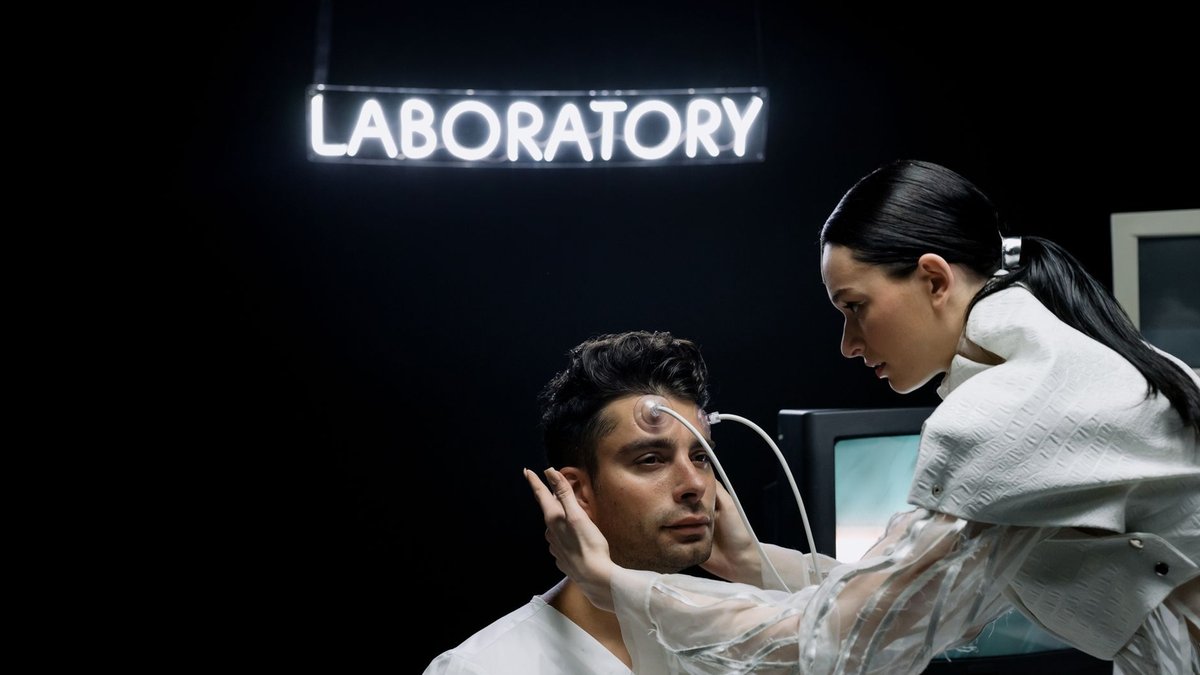
Image Credit: Photo by cottonbro studio on Pexels