
- International Relations Degree: A Critical Guide 2026 | The Pivot News
- Critical Risks: US Tariffs, Global Tensions Threaten European Economy
- S&P Global’s 2026 Forecast: A World on the Brink
Global Trade in 2026: Key Trends and Critical Challenges
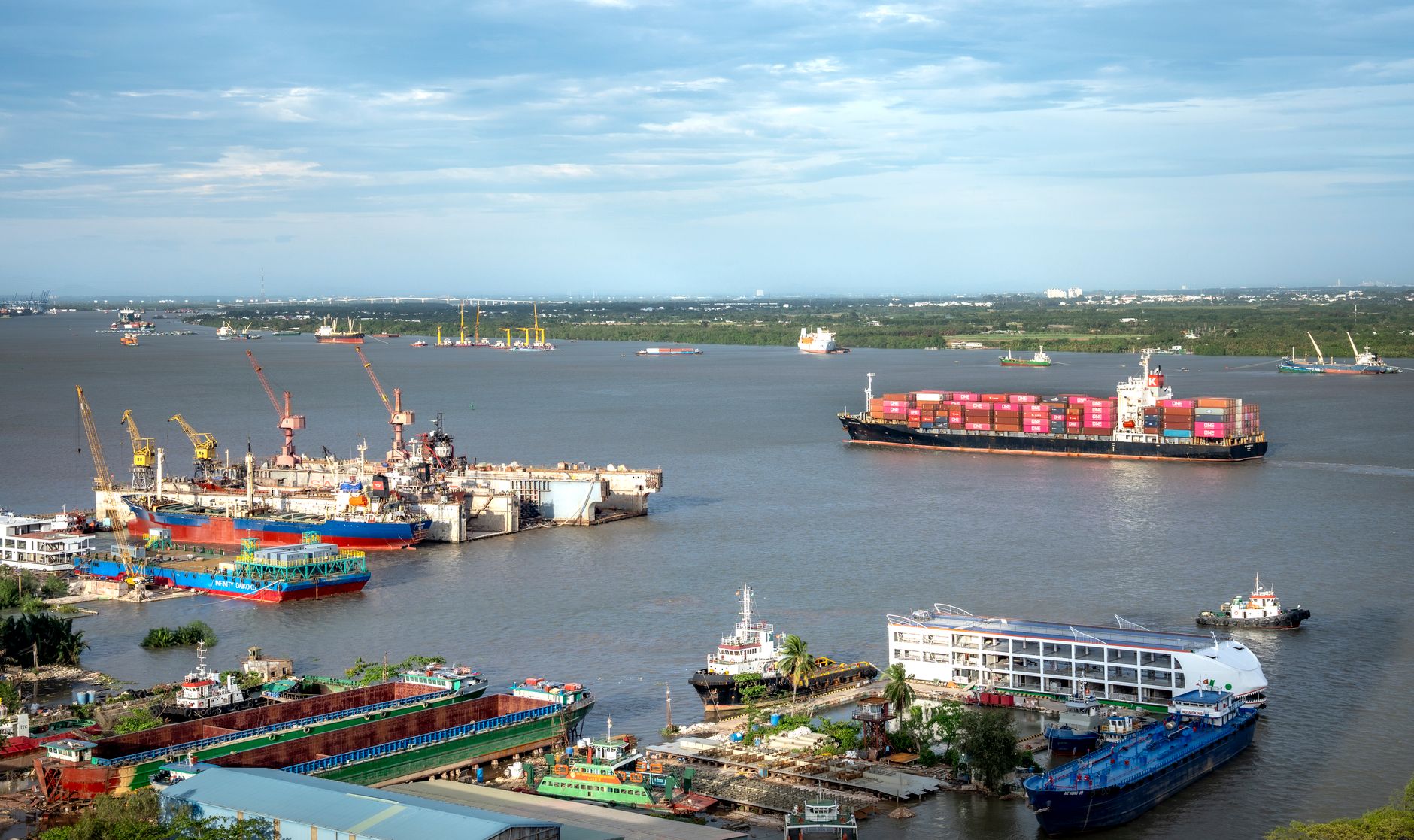
Global trade is no longer just about finding the cheapest way to make and sell goods. It is now a complicated mix of national security, political alliances, and supply chain safety. That’s the key takeaway from a recent analysis by the Peterson Institute for International Economics (PIIE). The report, titled “The state of play for global trade: Spotting trends and challenges,” shows a major shift away from the era of rapid, open trade that defined the late 20th and early 21st centuries.
Looking at the world from September 2026, we can see how much the global economy has changed. The recovery from the pandemic, ongoing political tensions, and a push for green energy have created a new reality for trade. The PIIE report looks beyond simple numbers to examine the deep changes happening. It explores how countries and companies are dealing with a world that is more divided and less predictable.
Key Analysis: From Efficiency to Resilience
One of the biggest trends is a strategic move from ‘efficiency’ to ‘resilience.’ For many years, companies used a “just-in-time” model. This meant parts and products arrived exactly when they were needed for manufacturing or sale, which kept storage costs low. However, the major disruptions of the early 2020s showed how risky this could be. A single factory shutdown or blocked shipping route could halt production worldwide.
Now, many are adopting a “just-in-case” strategy. This means companies are focused on making their supply chains stronger, even if it costs more. They are diversifying where they get their materials and building up inventory. This has led to more “near-shoring,” which is moving production to nearby countries, and “friend-shoring,” which means trading primarily with politically friendly nations. While figures are not yet confirmed, this trend is reshaping global manufacturing maps.
The Green and Digital Frontiers
Two other powerful forces are changing trade: the green energy transition and the rise of the digital economy. As countries get serious about climate change, new trade rules are appearing. For example, Carbon Border Adjustment Mechanisms (CBAMs), like the one started by the European Union, place a tax on imports from countries with weaker environmental laws. The goal is to prevent companies from just moving their pollution to other places. But these rules are complex and have raised concerns among developing nations, who see them as potential trade barriers.
At the same time, digital trade is booming. This includes everything from streaming services to cross-border data flows and cloud computing. But this growth brings its own set of challenges. Countries are debating how to handle digital taxes, data privacy, and the free flow of information. These disagreements are creating new kinds of digital borders, which can limit how services and data move around the world.
Navigating a More Complex World
This new era of trade is driven by more than just economics. Political friction is a major factor. Nations are forming economic blocs based not just on geography but on shared values and security interests. This has created a more fractured system, challenging the global, rules-based order that organizations like the World Trade Organization (WTO) were built to support.
For businesses and consumers, this shift means adjusting to a new reality. A focus on resilience and security may lead to higher costs and potentially fewer choices. The challenge for world leaders is to find a balance between protecting their national interests and maintaining the global cooperation needed to tackle shared problems like climate change and economic stability. The future of global trade will depend on how well they navigate this new, more complicated landscape.
Image Credit: Photo by Quang Nguyen Vinh on Pexels