
- China – US Investment: A Security Threat or an Opening to Reform the World’s Most Important Economic Relationship? – Quincy Institute for Responsible Statecraft
- India’s Strategic Roads: A 2026 Retrospective on Geopolitical Buoyancy
- BRICS 2026: A Retrospective on the India-China Cooperation Puzzle
As the United States and China compete for global influence, India finds itself in an important but tricky spot. Located in a key region, New Delhi must carefully manage its relationships with the world’s two biggest powers. India’s foreign policy is a balancing act, designed to protect its own national interests while dealing with the pressures and opportunities from both Washington and Beijing.
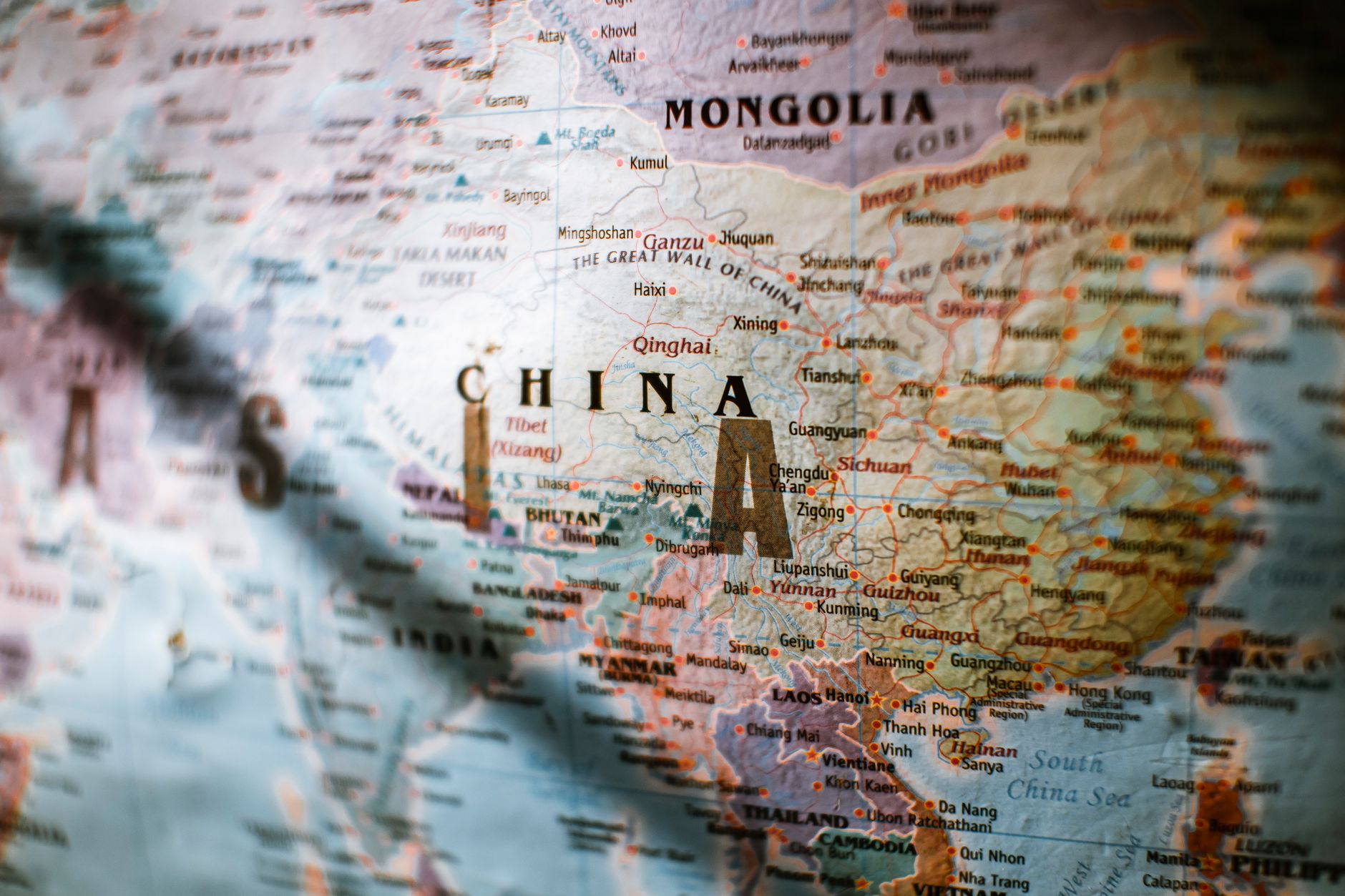
The main stage for this drama is the Indo-Pacific. According to foreign policy analysts, this region is central to 21st-century politics. The U.S. sees China as its main competitor and is building a group of friendly democracies to counter Beijing’s power. In this plan, India is seen as an essential partner. At the same time, China is India’s neighbor and a major trading partner, offering both economic benefits and serious security threats, especially along their shared border in the Himalayas.
Navigating a Tightrope: India’s Foreign Policy Goals
Faced with these competing forces, India has chosen a path of ‘strategic autonomy.’ This means it avoids taking sides permanently and instead makes decisions based on its own best interests on a case-by-case basis. The goal is to remain a leading power in its own right, not a junior partner to anyone else.
The American Partnership: A Democratic Alliance
The United States believes that a strong, democratic India helps create a more stable world. This has led to a closer relationship in defense, technology, and trade. Security groups like the Quadrilateral Security Dialogue (the ‘Quad’), which also includes Japan and Australia, are a big part of this strategy. From the American point of view, India’s involvement is key to ensuring a “free and open Indo-Pacific.” To strengthen this bond, the U.S. has offered India advanced military technology and supported its growing role in global affairs. Experts point to this growing defense relationship as a key sign of the partnership’s strength, though final figures on defense sales are not yet confirmed.
The China Challenge: A Neighbor and a Rival
India’s relationship with China is complex. On one hand, trade between the two countries is very large, which makes it hard for them to separate their economies. On the other hand, there are major points of conflict. These include long-standing border disputes, competition for influence in South Asia, and India’s growing friendship with the U.S. As many observers note, Beijing would prefer India to stay neutral and not join any anti-China groups. Any move by New Delhi to build up its military or form new security alliances makes Beijing nervous.
New Delhi’s Path: Multi-Alignment in Action
India’s policy of strategic autonomy doesn’t mean it sits on the sidelines. Instead, it practices what some call “multi-alignment.” It works with different countries on different issues. For example, India is an active member of the U.S.-led Quad for security cooperation. At the same time, it is also a member of the shanghai cooperation organisation (SCO) and BRICS, which include both China and Russia. According to reports from think tanks like the New Delhi-based Observer Research Foundation, this flexible approach is seen as essential for India’s rise as a global power. It allows India to get what it needs—whether it’s technology from the West or economic opportunities from the East—without being tied down to a single bloc. This balancing act is difficult, but for New Delhi, it is the only way forward.
Image Credit: Photo by Nothing Ahead on Pexels