
Fears of a potential conflict with Iran are growing in the worlds of global trade and law. Recent expert analysis warns that such a conflict could send a new, damaging shock through the world’s supply chains.
A recent report from the legal analysis group JD Supra, titled “The Iran War: A New Shock to Global Trade,” has put this danger in the spotlight. Published in August 2026, the report shows that major businesses and legal experts are now treating the threat of a war in the Middle East very seriously. It is no longer a distant worry, but a real risk that companies are being told to prepare for.
Why a Regional Conflict Could Cause Global Problems
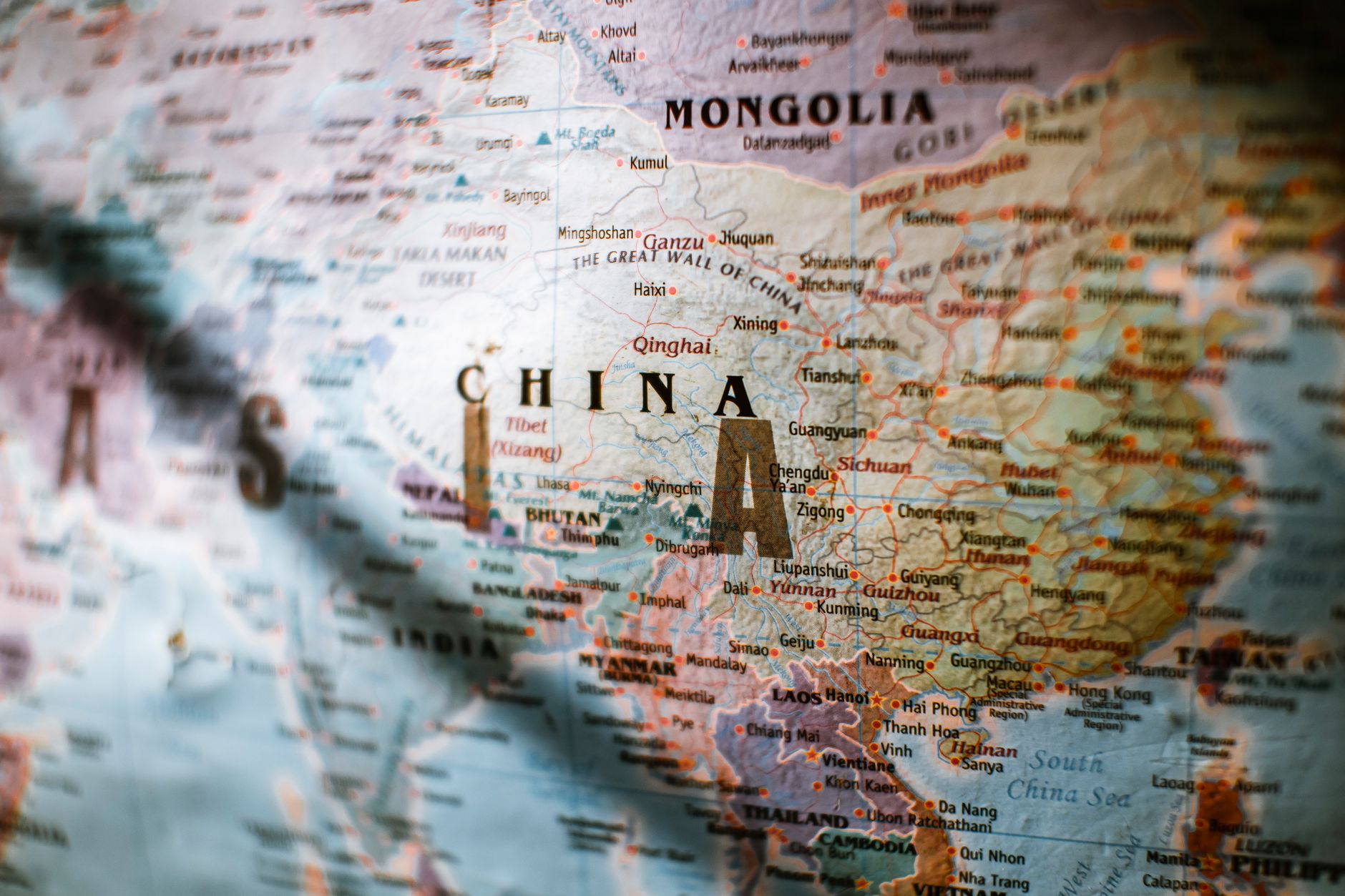
The main concern is Iran’s location next to the Strait of Hormuz. This narrow waterway is a vital chokepoint for global trade, especially for energy. Experts point out that any military action in this area could slow down, or even completely stop, a huge portion of the world’s oil shipments.
Immediate Effects on Energy and Shipping
According to industry observers, a conflict would have immediate and serious results:
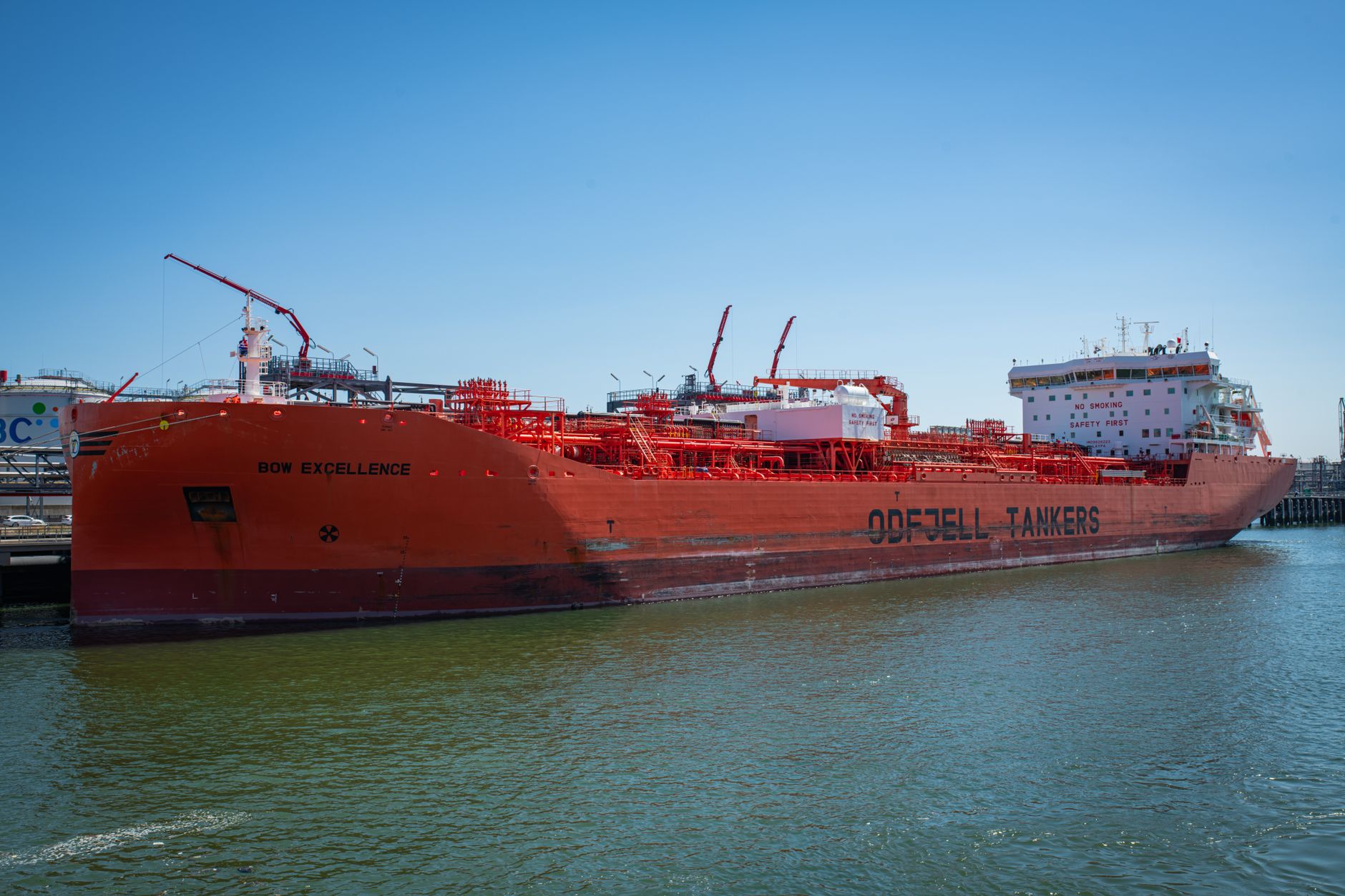
- Higher Energy Prices: If oil tankers cannot get through the Persian Gulf, the global supply of crude oil would drop. This would likely cause fuel prices to skyrocket for consumers and businesses everywhere. Such a spike could fuel inflation and slow down the global economy.
- supply chain Chaos: The Strait of Hormuz is not just for oil. It is also a key route for container ships carrying goods from Asia to Europe and beyond. A shutdown would force these ships to take much longer and more expensive routes. This would lead to major delays, higher shipping costs, and soaring insurance prices. While exact figures are not yet confirmed, the financial impact would be immense.
Legal and Insurance Headaches
Beyond shipping logistics, a conflict would create a storm of legal and financial problems. The cost of insuring a ship and its cargo to pass through the region would likely become impossibly high. Many insurers might refuse to cover the area at all.
This would also trigger countless legal disputes. Companies might use “force majeure” clauses in their contracts, which are meant for unforeseeable events like wars, to get out of their agreements. This could lead to a domino effect of broken contracts and legal battles across the entire supply chain, from manufacturers to retail stores.
A Wake-Up Call for Global Business
The fact that publications like JD Supra are highlighting this issue shows that companies can no longer ignore geopolitics. For many years, global trade was built on the idea that shipping lanes would stay open and safe. A potential “Iran War” shows how fragile that system has become.
This situation is pushing big companies to rethink their strategies. They are being advised to spread out their suppliers and not rely on just one part of the world, a strategy known as diversification. They are also being urged to pay closer attention to political dangers when making business decisions. While the analysis does not say a war is certain, its publication is a critical warning for the global economy. The era of treating political hotspots as someone else’s problem is over.
Sources: Analysis based on the August 2026 JD Supra report “The Iran War: A New Shock to Global Trade” and general assessments from maritime insurance and international trade law experts.
Image Credit: Photo by Oleksiy Yeshtokyn,🌻🇺🇦🌻 on Pexels