

India’s Strategic Autonomy: Two Years On From Rajnath Singh’s Call for Domestic Defence
In a pivotal statement made in a previous year, India’s Defence Minister, Rajnath Singh, underscored the critical importance of bolstering domestic defence manufacturing to achieve strategic autonomy. This declaration, initially reported by telanganatoday.com, marked a significant inflection point in India’s long-term defence and industrial policy, with its ramifications still unfolding in late 2026.
Singh’s emphasis was not merely on economic self-reliance but on the geopolitical imperative of reducing dependence on foreign suppliers for critical military hardware. The core argument centered on the idea that true strategic independence is unattainable without a robust indigenous defence industrial base, capable of designing, developing, and producing cutting-edge military technologies. This perspective has gained considerable traction globally, as nations increasingly recognize the vulnerabilities inherent in complex global supply chains and the strategic leverage wielded by technology providers.
Key Analysis: The Trajectory of ‘Make in India’ Defence
Since Singh’s pronouncement, India has intensified its ‘Make in India’ initiative within the defence sector. This push has involved a multi-pronged approach, including increased budgetary allocations for indigenous R&D, policy reforms to encourage private sector participation, and the establishment of defence industrial corridors. Analysts suggest that the initial years saw a focus on import substitution for less complex systems, but by 2026, the ambition has clearly shifted towards developing advanced platforms – from next-generation fighter jets and submarines to sophisticated cyber warfare tools and AI-driven command systems.
The strategic intent behind this drive extends beyond mere production. It is about fostering a national ecosystem of innovation, linking defence requirements with academic research and start-up agility. Global market implications are substantial; as India reduces its import bill, it simultaneously aims to emerge as an exporter of defence equipment, particularly to nations seeking alternatives to traditional suppliers. This shift not only strengthens India’s geopolitical standing but also reshapes regional power dynamics, encouraging other nations to re-evaluate their own defence industrial strategies.
Why This Matters in the Long Run
The long-term impact of India’s commitment to domestic defence manufacturing resonates across several domains. Technologically, it accelerates the nation’s capabilities in advanced materials, quantum computing for secure communications, and autonomous systems, potentially positioning India as a significant player in future military tech. Economically, it promises job creation, skill development, and a boost to ancillary industries, contributing to overall economic resilience. Geopolitically, strategic autonomy in defence provides India with greater flexibility in foreign policy, reducing susceptibility to external pressures and enhancing its capacity to act independently on the global stage. This foundational policy, articulated by Singh, continues to be a cornerstone of India’s journey towards becoming a self-reliant technological and military power by the end of the decade.
As the global security landscape continues to evolve, the foresight demonstrated in prioritizing domestic defence manufacturing remains a critical component of India’s strategic calculus, shaping its technological future and international relations for years to come.
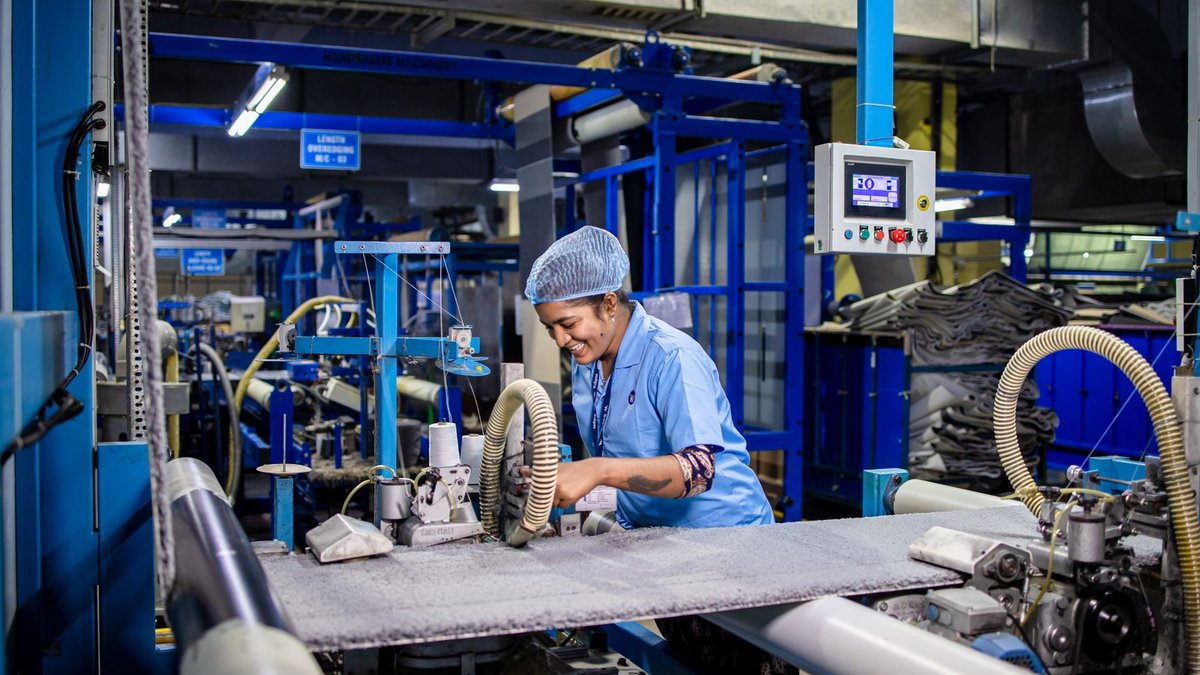
Image Credit: Photo by EqualStock IN on Pexels