- Bezos’ 2045 Space Living Prophecy: On Track or Orbital Dream?
- AI, Drones, Robotics: Reshaping Public Safety Operations in 2026
- Remote Work Security: The Persistent Challenge of Fake Worker Infiltration in 2026
Robot AI Predicts Future Scenes: A 2024 Breakthrough Shaping 2026 Autonomy
In 2024, a groundbreaking AI development enabled robots to predict future scenes, fundamentally altering their approach to autonomous navigation and decision-making. This innovation, initially reported by Tech Xplore, marked a significant stride in robotics, moving machines beyond mere reactive responses to proactive foresight.
The Shift from Reactive to Proactive Robotics
Two years ago, researchers unveiled an artificial intelligence system designed to process current visual data and project possible future environmental states. This capability allowed robotic platforms to anticipate outcomes, enabling them to plan actions based on predicted scenarios rather than solely on immediate sensory input. This represented a critical divergence from traditional reactive control systems, which often led to delays or miscalculations in rapidly changing environments.
Key Analysis: The ‘Why’ Behind Predictive AI’s Impact
This predictive AI, frequently referred to as ‘anticipatory robotics,’ proved to be a pivotal moment in the evolution of machine autonomy. By forecasting potential scenarios, robots could, for instance, anticipate the movement of objects or people, navigate complex terrains more efficiently, and avoid collisions proactively. This seemingly subtle technical enhancement unlocked new paradigms for robotic applications. Industry observers noted that this initial research laid crucial groundwork for the advanced logistics robots now prevalent in 2026, which dynamically reroute delivery paths based on predicted traffic flows, and for sophisticated exploration rovers that map and plan movements across unpredictable planetary surfaces. Leading institutions such as Stanford and MIT swiftly recognized the significance, initiating further research into the integration of predictive models with explainable AI (XAI) to address emerging ethical considerations around the ‘black box’ nature of autonomous decision-making.
Why This Matters in the Long Run
The 2024 breakthrough in robot AI prediction fundamentally shifted the trajectory of autonomous systems. It transitioned robotics from being merely intelligent tools to becoming genuinely proactive agents, capable of independent foresight. This long-term impact extends beyond industrial applications, influencing future smart city infrastructure, advanced medical robotics, and even personal assistance devices. All these sectors increasingly rely on machines’ ability to understand and anticipate dynamic human and environmental interactions. The quest for truly intelligent machines hinges on their capacity for predictive reasoning, making this initial development a foundational cornerstone for the AI-driven future we are actively building in 2026 and beyond.
As we look ahead, the continued refinement and transparent implementation of predictive AI will undoubtedly define the next generation of autonomous technologies, pushing the boundaries of what machines can achieve independently and responsibly.
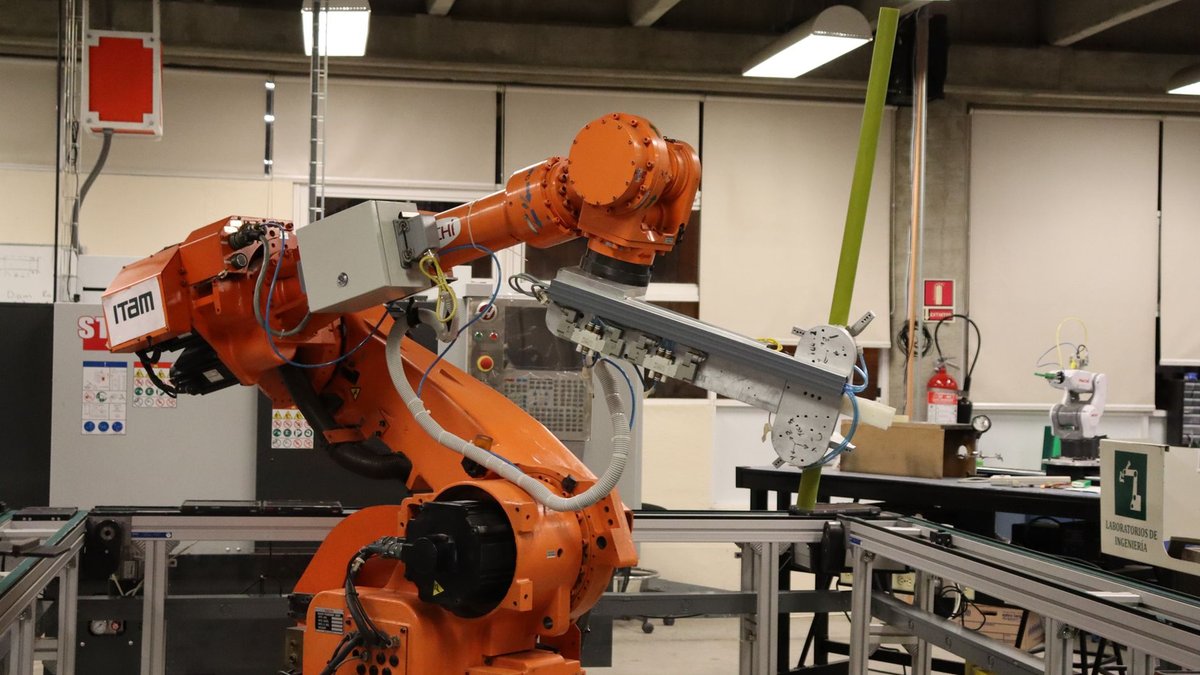
Image Credit: Photo by Diego Martinez on Pexels