
- MD/MS Robotics Program: Emory & Georgia Tech’s Impact by 2026
- MD/MS Robotics Dual-Degree: Emory-Georgia Tech’s 2024 Launch Reshaping Medical Automation by 2026
- MD/MS Robotics Program: Two Years On, a Retrospective on Its Impact
Robotics MD/MS Program: Emory & Georgia Tech’s Enduring Impact on Healthcare Tech by 2026
In a strategic move that redefined interdisciplinary medical education, Emory School of Medicine and Georgia Tech collaboratively established an MD/MS dual-degree program in robotics. This visionary initiative, launched some time ago, aimed to cultivate a new generation of physician-scientists fluent in both clinical practice and advanced robotic engineering. By September 2026, the foresight behind this program is increasingly evident, as medical robotics continues its rapid integration into modern healthcare.
The program, a pioneering effort between a leading medical institution and a top engineering university, was designed to address a critical emerging need. It recognized that the future of medicine would be heavily reliant on sophisticated technological solutions, particularly in robotics. The curriculum was structured to equip students with a comprehensive understanding of human anatomy, physiology, and pathology, alongside advanced training in robotic design, control systems, and artificial intelligence relevant to medical applications. This unique blend prepared graduates not just to utilize existing robotic tools but to innovate and develop the next generation of surgical, diagnostic, and rehabilitative technologies.
Key Analysis: Bridging the Clinical-Engineering Divide
The establishment of this MD/MS program by Emory and Georgia Tech was a pivotal moment, anticipating the profound convergence of medicine and engineering. Prior to such initiatives, a significant gap existed: medical professionals often lacked the deep technical expertise to contribute to the design and improvement of robotic systems, while engineers frequently lacked the clinical context necessary to develop truly impactful medical devices. This dual-degree model directly addressed this challenge, fostering professionals who could speak both languages.
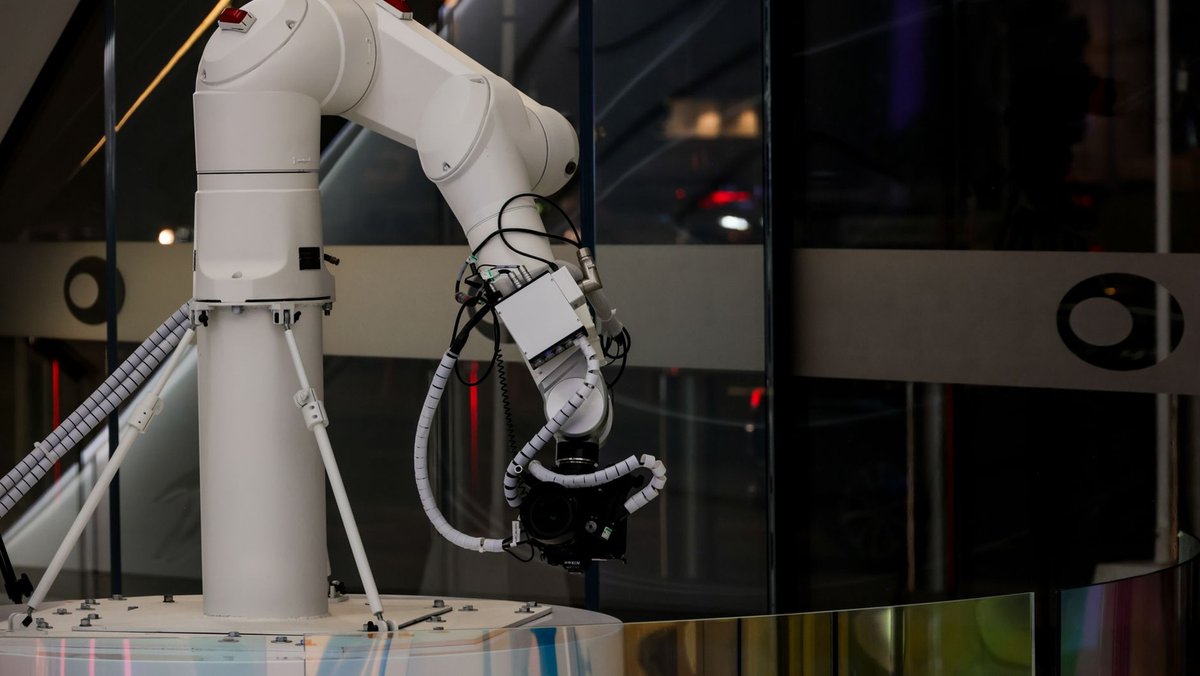
By 2026, the demand for such interdisciplinary experts has surged. From minimally invasive surgery performed by robotic arms to AI-powered diagnostic robots and advanced prosthetic limbs, robotics are no longer peripheral but central to patient care. Graduates from programs like Emory and Georgia Tech’s are uniquely positioned to lead research, drive innovation, and ensure the safe and ethical deployment of these technologies. Their dual perspective allows for a more holistic approach to problem-solving, identifying clinical needs that can be met with technological solutions, and simultaneously understanding the biological and ethical implications of those solutions.
Why This Matters in the Long Run
The Emory-Georgia Tech MD/MS program represents a blueprint for future medical education, emphasizing the necessity of interdisciplinary training in an increasingly technologically driven world. As healthcare continues its shift towards personalized medicine, precision surgery, and AI-assisted diagnostics, the demand for professionals who can seamlessly navigate both the biological and digital realms will only intensify. This program set a precedent for how academic institutions can proactively shape the workforce required to advance healthcare, ensuring that innovation is grounded in both scientific rigor and clinical relevance. It underscores the critical role of physician-scientists in translating complex engineering concepts into tangible patient benefits, thereby accelerating the adoption of transformative technologies across global healthcare systems.
The initiative remains a cornerstone in the ongoing evolution of medical education, demonstrating a commitment to preparing future leaders for a healthcare landscape fundamentally reshaped by robotics and artificial intelligence.
Image Credit: Photo by Stéf -b. on Pexels