- TDK’s Robotics Components: A Retrospective on Humanoid Advancement by 2026
- TDK’s Foundational Role in Humanoid Robotics: A 2026 Retrospective
Two years prior, a strategic showcase by TDK at Hong Hai (Foxconn) Tech Day underscored the pivotal role of specialized components in the burgeoning field of humanoid robotics, a sector now rapidly advancing into mainstream industrial and service applications by late 2026.
Reports from the Electronic Engineering Journal highlighted TDK’s presentation of advanced sensor and passive component solutions, signaling a critical phase in the development of more capable and autonomous humanoid platforms. This collaboration implicitly recognized the growing need for robust, precise, and miniaturized components to power the next generation of robotic systems being eyed by manufacturing giants like Foxconn.
Key Analysis: The Unseen Foundations of Autonomy
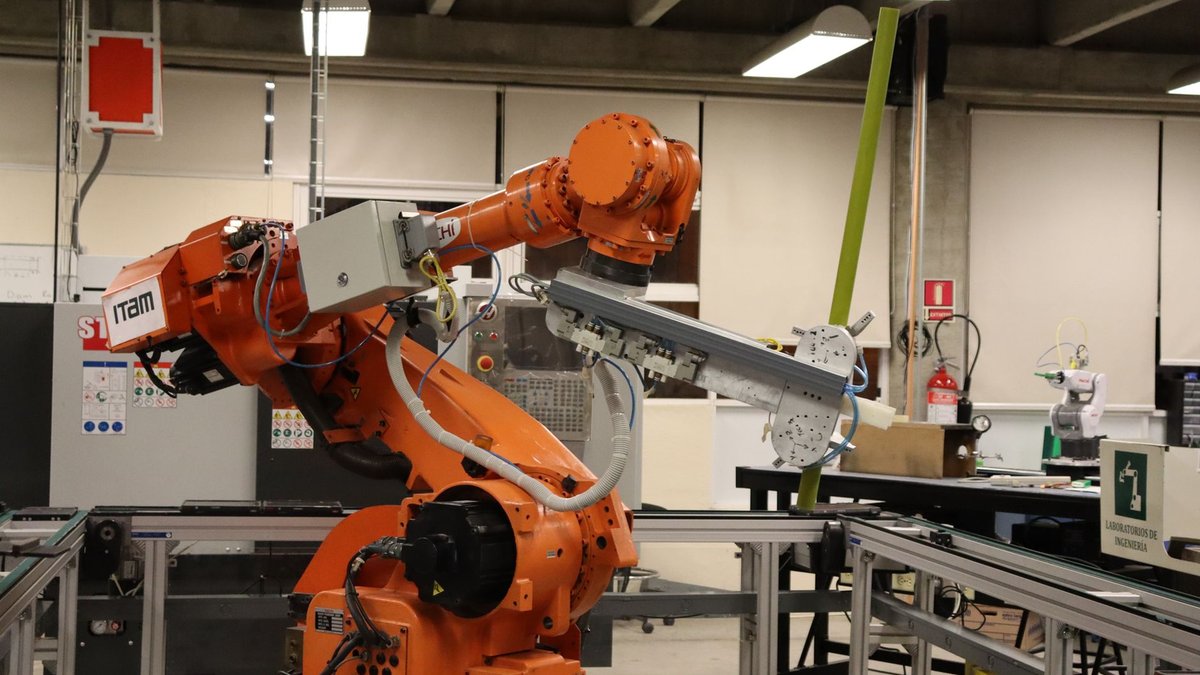
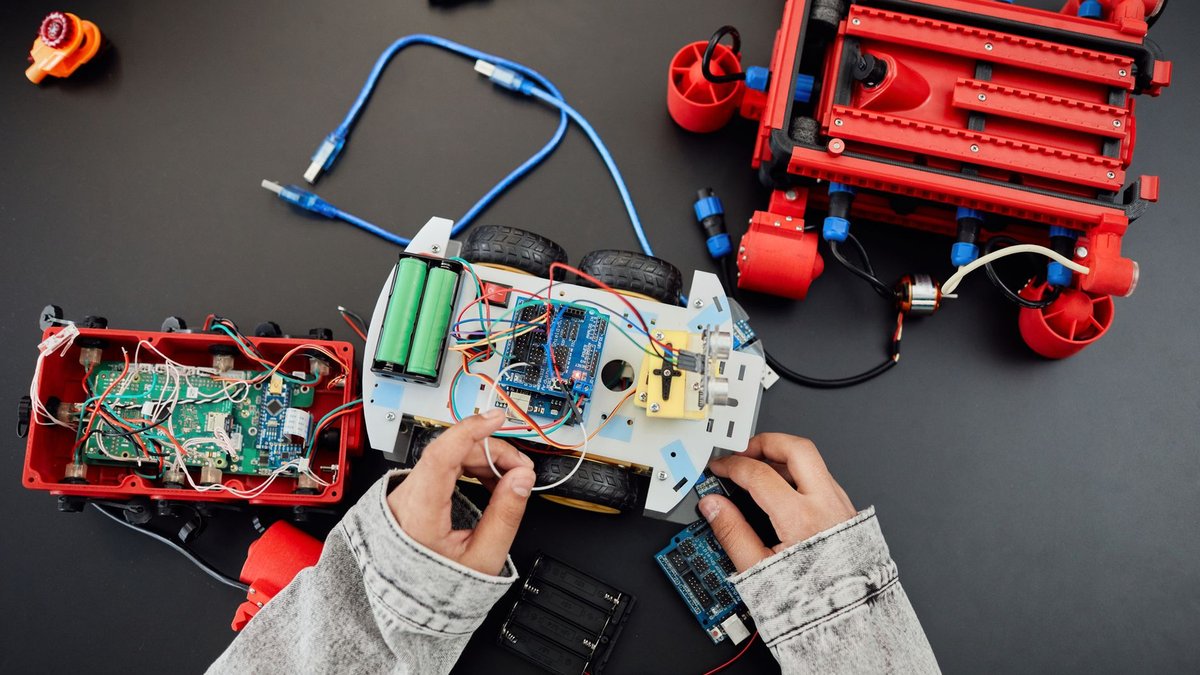
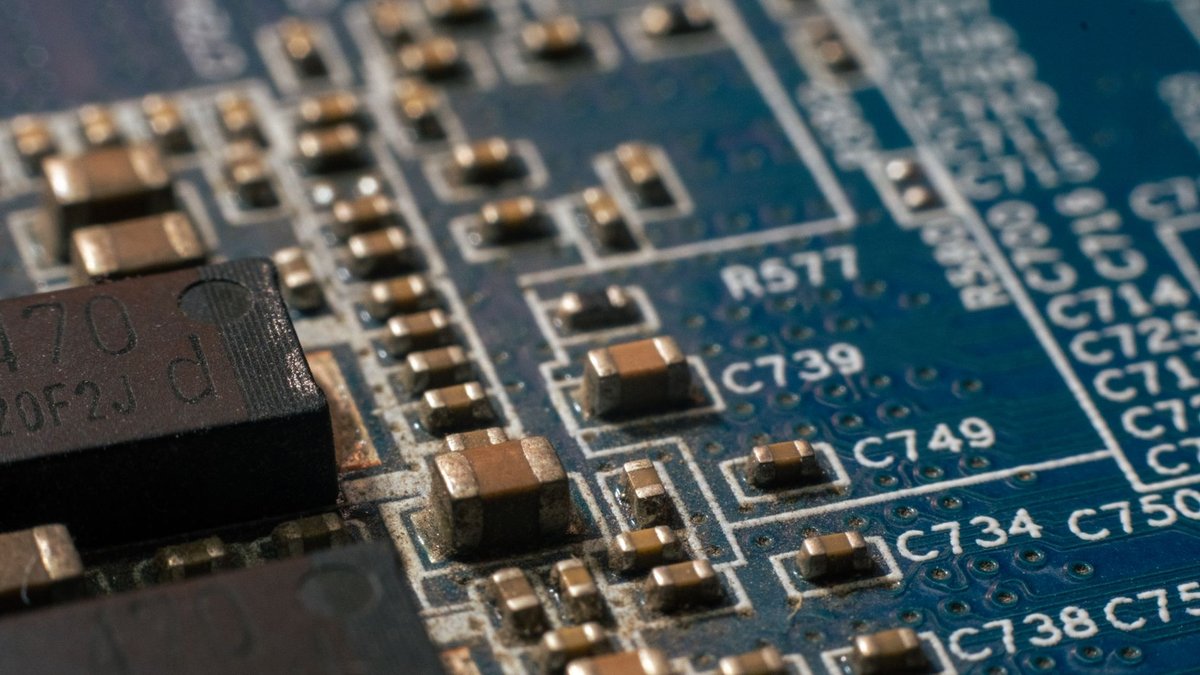
The true intelligence and dexterity of humanoid robots do not solely reside in their AI algorithms but are fundamentally enabled by their physical hardware. TDK’s emphasis on sensors—often considered the ‘eyes and ears’—and passive components—the ‘nervous system’—at such a prominent industry event highlighted these often-overlooked but essential building blocks. High-precision accelerometers, gyroscopes, force sensors, and compact power management components are non-negotiable for robots performing complex tasks, maintaining balance, and interacting safely with their environment. Without these, advanced AI remains tethered to theoretical models, unable to translate into physical action. Industry observers note that the reliability and miniaturization of these components directly dictate the agility, power efficiency, and overall utility of a humanoid robot.
Foxconn’s Strategic Vision in Robotics
Foxconn, operating under its primary trade name Hon Hai Precision Industry Co., Ltd., has long been a titan in electronics manufacturing. Its Tech Day serves as a significant platform for unveiling future industry trends and strategic partnerships. TDK’s presence there was not merely a product demonstration but a clear signal of Foxconn’s intent to integrate sophisticated robotics into its operational ecosystems and potentially become a key player in their broader manufacturing. This strategic alignment between a component innovator and a manufacturing powerhouse points towards a future where robotic production is both scaled and refined, moving beyond specialized labs into broader industrial deployment across various sectors.
Why This Matters in the Long Run
The foundational work demonstrated by TDK in the mid-2020s has proven crucial for the accelerated development we observe in humanoid robotics today. As these robots transition from prototypes to scalable solutions for logistics, elder care, and hazardous environments, the reliability, cost-effectiveness, and performance of their underlying components become paramount. This early focus on robust, industrial-grade sensors and passive components has laid the groundwork for the current generation of humanoids that exhibit unprecedented dexterity and operational autonomy, shaping the future of labor and human-machine interaction across global industries. The continued innovation in these core component technologies will dictate the pace and scope of future robotic integration.
The strategic foresight of companies like TDK in anticipating the intricate component needs of humanoid robotics continues to be a driving force behind the sector’s rapid evolution, setting the stage for even more profound technological shifts in the coming decade.
Image Credit: Photo by Ivan Chumak on Pexels