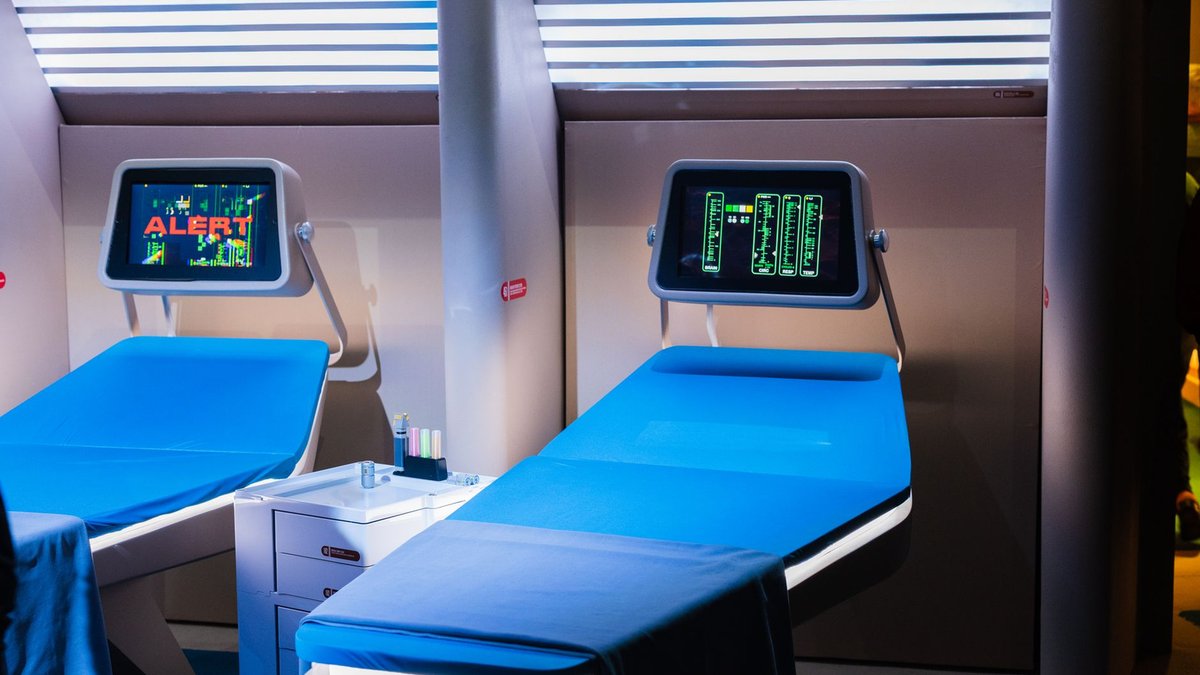
In a move that prefigured a significant shift in healthcare, the University of Texas at Austin unveiled UT Dell Medicine as an AI-native hospital, a development that, from the vantage point of October 27, 2026, marked a critical juncture in the integration of artificial intelligence into medical practice. As reported by Fierce Healthcare at the time, this initiative represented a bold commitment to embedding AI at the very core of hospital operations, from diagnostics to patient management.
The concept of an ‘AI-native’ hospital, as championed by UT Dell Medicine, aimed to move beyond mere AI augmentation, where technology assists human practitioners, towards a paradigm where AI systems are intrinsically woven into the operational fabric. This foundational decision by UT Austin to embrace AI as a primary driver, rather than a secondary tool, signaled a future where machine learning algorithms would proactively optimize workflows, interpret complex medical data, and even assist in personalized treatment pathways. The initial unveiling, therefore, was not just about a new facility, but about a new philosophy for medical care.
Key Analysis: The AI-Native Paradigm Shift
The vision articulated during UT Dell Medicine’s unveiling—a vision of an AI-native hospital—has, by 2026, become a benchmark for advanced healthcare institutions globally. The ‘why’ behind this innovation was clear: to leverage AI’s capacity for pattern recognition and data processing to enhance diagnostic accuracy, streamline administrative tasks, and ultimately improve patient outcomes. This early commitment by UT Austin underscored the growing understanding that AI could fundamentally transform efficiency and efficacy in medicine.
From a societal perspective, the integration of AI at this fundamental level has spurred ongoing debates around data privacy, algorithmic bias, and the evolving role of human clinicians. While proponents, including those at UT Dell Medicine, highlighted the potential for AI to democratize access to high-quality care and reduce medical errors, critics consistently raised concerns about the ethical governance of autonomous systems in life-or-death situations. The global market, in response, has seen an explosion of health tech startups specializing in AI-driven solutions, ranging from predictive analytics for disease outbreaks to AI-powered drug discovery, all influenced by pioneering models like UT Dell Medicine’s initial blueprint. This shift has necessitated new regulatory frameworks and interdisciplinary research partnerships, often involving leading institutions like MIT and Stanford, to address the complex interplay of technology, ethics, and patient welfare.
Why This Matters in the Long Run: Benchmarking Future Healthcare
The unveiling of UT Dell Medicine as an AI-native hospital stands as a historical marker for the mid-2020s, demonstrating an early, aggressive embrace of AI in a sector traditionally slow to adopt radical technological shifts. It solidified the notion that AI was not merely a tool but a foundational layer for future medical infrastructure. Its significance in 2026 lies in its role as a precursor to the increasingly AI-integrated healthcare systems we see today, influencing hospital design, curriculum development in medical schools, and the strategic investments of health systems worldwide. The commitment to being ‘AI-native’ set a high bar, challenging other institutions to rethink their own technological roadmaps and accelerate their integration of intelligent systems.
As the healthcare landscape continues its rapid evolution, UT Dell Medicine’s pioneering step serves as a constant reference point for the potential and pitfalls of a truly AI-driven medical future.
Image Credit: Photo by Keysi Estrada on Pexels