In the rapidly evolving landscape of healthcare technology, the University of Texas at Austin’s unveiling of UT Dell Medicine as an “AI-native hospital” marked a significant inflection point in the mid-2020s. From the vantage point of October 2026, this strategic pivot by UT Austin, in collaboration with Dell, is now recognized not merely as an investment but as a foundational blueprint for integrating artificial intelligence at the very core of medical infrastructure, influencing subsequent developments across the globe.
The Genesis of AI-Native Healthcare
When UT Austin initially announced its ambitious plans for UT Dell Medicine, the concept of an “AI-native” hospital was still nascent, largely existing in research papers and theoretical models. The institution’s commitment to embed AI into every operational facet—from advanced diagnostics and personalized treatment plans to predictive analytics for patient flow and resource management—represented a bold declaration of intent. This move was a direct response to the escalating demands on healthcare systems and the burgeoning capabilities of machine learning, aiming to redefine efficiency, precision, and patient outcomes.
Key Analysis: Redefining Medical Paradigms
The establishment of UT Dell Medicine catalyzed a critical shift in how major healthcare providers conceptualized digital transformation. Unlike earlier digital hospitals that retrofitted AI onto existing IT infrastructure, UT Dell Medicine was designed from the ground up with AI as its operating system. This architectural choice has, by 2026, demonstrated tangible benefits in clinical decision support, reducing diagnostic errors, and optimizing surgical planning through sophisticated AI models trained on vast datasets. Industry observers note that this approach has significantly accelerated the adoption of AI-driven tools in other leading medical centers, particularly in areas like radiology and pathology, where pattern recognition and data analysis are paramount.
Ethical considerations surrounding AI in healthcare—such as data privacy, algorithmic bias, and the human-AI interface—were central to the design philosophy at UT Dell Medicine. Early reports from the facility highlighted robust frameworks for data governance and continuous physician oversight, setting a precedent for responsible AI deployment. This proactive stance, analysts suggest, was crucial in building trust among medical professionals and patients alike, fostering an environment where AI is seen as an augmentative, rather than replacement, technology.
Why This Matters in the Long Run
The “bet big” made by UT Austin and Dell in the mid-2020s has profoundly shaped the trajectory of intelligent healthcare infrastructure. As of 2026, the operational insights gleaned from UT Dell Medicine continue to inform the development of next-generation AI platforms for hospitals worldwide. Its pioneering work underscores a broader trend towards highly integrated, data-centric medical ecosystems where AI acts as a force multiplier for human expertise. This model is critical for addressing global health challenges, from managing chronic diseases more effectively to enhancing preparedness for future pandemics, by enabling proactive, predictive, and personalized care at scale. The legacy of UT Dell Medicine is not just in its technological prowess but in proving the viability and necessity of AI as an indispensable partner in modern medicine.
The future of healthcare is undeniably intelligent, and institutions like UT Dell Medicine have illuminated the path forward.
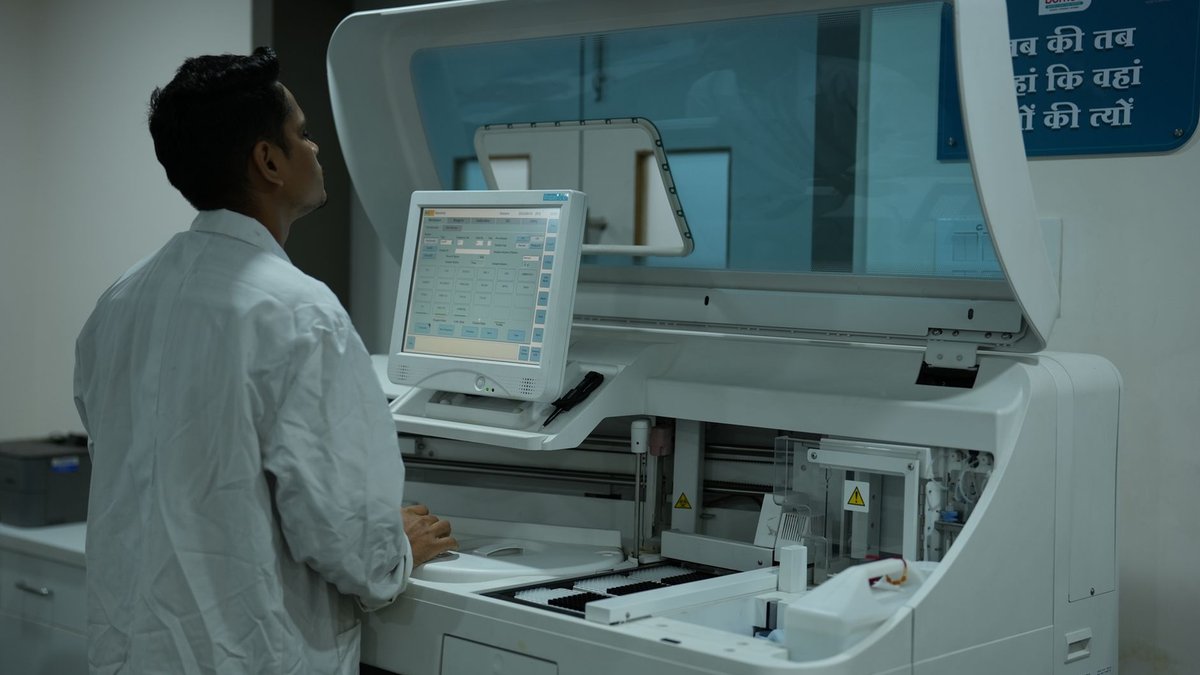
Image Credit: Photo by Google DeepMind on Pexels