
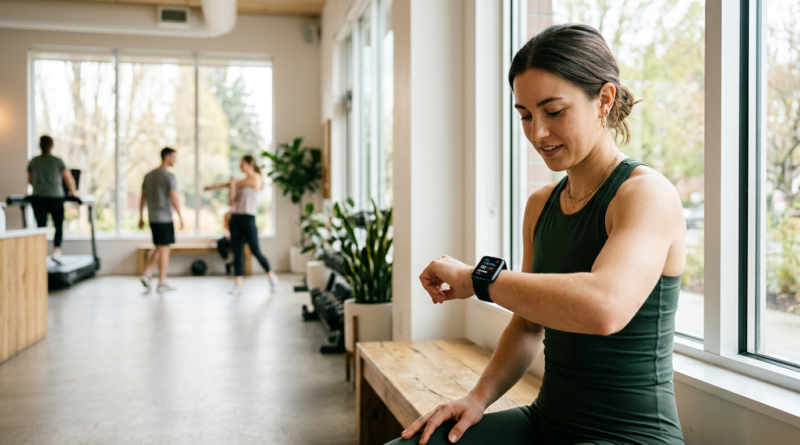
Wearable Wellness: New Wellbeing Standard?
Wearable Wellness Trends: A New Era of Personal Health Tracking
The landscape of personal wellbeing is undergoing a significant transformation, with a rapid integration of sophisticated technology and ancient practices. From devices offering intensive biometric tracking to the resurgence of modalities like ear seeding, the concept of wearable wellness is rapidly moving from niche to mainstream, prompting questions about its potential to redefine health standards.
As reported by Cosmetics Business, the wellness industry is witnessing a surge in innovations that empower individuals to take a more proactive role in managing their health. This shift is characterized by the widespread adoption of wearable devices that monitor everything from heart rate variability and sleep patterns to stress levels, alongside a renewed interest in non-invasive, complementary therapies. This convergence suggests a future where personal health management is highly digitized, data-driven, and increasingly personalized.
The Rise of Personalized Wellness Technology
The core of modern wearable wellness lies in its ability to provide real-time, personalized data. Fitness trackers, smartwatches, and other sensors now offer continuous monitoring of physiological markers, translating complex biological information into actionable insights. For instance, studies published in journals like Nature Digital Medicine have highlighted how continuous glucose monitoring, initially for diabetes management, is being adopted by a broader wellness demographic to optimize diet and energy levels. Similarly, advanced sleep trackers offer detailed analyses that, when paired with behavioral adjustments, can significantly improve sleep hygiene, a critical component of overall health.
This data-centric approach moves beyond traditional episodic health checks, enabling individuals to identify patterns, understand their body’s responses to various stimuli, and make informed lifestyle choices. While the efficacy of specific devices can vary, the overarching trend toward data empowerment is supported by research indicating that self-monitoring can lead to improved adherence to health goals and better outcomes for conditions like hypertension and weight management.
Integrating Traditional and Modern Approaches
Interestingly, this technological surge is not occurring in isolation. The article from Cosmetics Business points to practices like ear seeding – a form of auriculotherapy rooted in Traditional Chinese Medicine – gaining traction. These non-invasive techniques, while requiring more rigorous clinical studies to establish widespread evidence-based efficacy, represent a desire for holistic wellness that complements technological tracking. For example, some individuals might use a wearable to track stress levels and then turn to practices like ear seeding or mindfulness to manage that stress. It is crucial, however, to approach such complementary therapies with an evidence-based mindset. Always consult your doctor or a qualified healthcare professional before incorporating new practices, especially if you have underlying health conditions, as not all alternative therapies have undergone the same stringent scientific scrutiny as conventional medicine.
Why This Matters in the Long Run
The long-term implications of wearable wellness becoming a standard are profound. This shift could lead to a more preventative healthcare model, where individuals are empowered with data to mitigate health risks before they escalate. It fosters a culture of continuous self-improvement and personal accountability for health. However, it also raises important considerations regarding data privacy, the potential for overwhelming users with too much information, and the digital divide for those without access to such technologies. As these tools become more sophisticated, they could also integrate seamlessly with medical professionals, allowing for remote monitoring and more tailored health interventions, ultimately leading to a more efficient and personalized healthcare system globally.
The convergence of advanced tracking and diverse wellness practices signals a new frontier in personal health. Whether these innovations will truly standardize wellbeing remains an open question, but their influence on how we perceive and manage our health is undeniable.
Disclaimer: This article is AI-generated and is for informational purposes only. It does not constitute medical advice. Always consult a qualified healthcare professional.
This article was generated by AI based on publicly available news sources and may contain inaccuracies. For the original reporting, please refer to the cited sources. Learn more about our AI policy.