
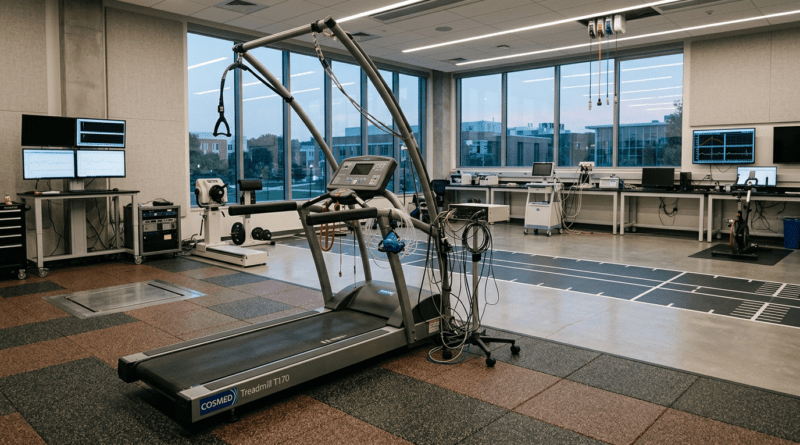
New Role Signals Critical Shift in Female Sports Science | Pivot

Hostinger Cloud Hosting: Ultra-Fast NVMe Storage & 99.9% Uptime Guarantee
Power your high-traffic WordPress websites with managed cloud infrastructure, automated daily backups, free SSL, and 24/7 expert support.
📌 Key Takeaways
- Dr. Avery Faigenbaum of Monmouth University has been named a Topic Editor for a journal on Female Athlete Health.
- The appointment highlights a critical shift towards addressing the historical lack of female-specific data in sports science.
- This move is expected to influence research direction, focusing on topics like the menstrual cycle’s impact on performance and unique injury prevention strategies for women.
- Improved research is anticipated to enhance training protocols, health, and longevity for female athletes at all levels, from amateur to professional.
An expert in exercise science from Monmouth University, Dr. Avery Faigenbaum, has been named a Topic Editor for a special journal focused on female athlete health. This appointment highlights an important and growing change in the world of sports medicine, which is starting to pay more attention to the specific needs of female athletes.
For many years, most sports science research was done on men. The findings were often applied to women, even though their bodies have key differences. According to Monmouth University, Dr. Faigenbaum’s new role as a professor in the Department of Kinesiology will help address this problem. As a Topic Editor, he can guide the publication of new studies that focus directly on female athletes, helping to close a long-standing information gap.
Why Female Athletes Have Been Overlooked
For decades, the world of sports science had a major blind spot. Researchers mostly studied male athletes, and the results were treated as a one-size-fits-all solution. This left a significant gap in our understanding of how training, nutrition, and competition affect female bodies. This lack of data means that training advice and injury prevention strategies for women have often been based on guesswork rather than solid evidence. The new focus on female-specific research aims to change that, ensuring that advice given to girls and women is based on science that actually includes them.
Key Health Areas Needing More Research
Dr. Faigenbaum’s role will help encourage more studies on topics that are critical for female athletes but have been under-researched. This work is essential for improving their health, safety, and performance. Key areas that need more attention include:
- The Menstrual Cycle and Performance: Understanding how hormone changes during the month can affect an athlete’s energy, strength, and recovery. This could lead to smarter training plans that work with an athlete’s natural cycle.
- Preventing Common Injuries: Female athletes are known to have a higher risk for certain injuries, such as ACL tears in the knee. More research can help figure out why and develop targeted warm-ups and exercises to prevent them. Figures on the exact increased risk are still being studied, but the trend is well-known among medical staff.
- Fueling for Health (RED-S): Relative Energy Deficiency in Sport (RED-S) is a condition that happens when athletes don’t eat enough to support their intense training. It can harm bone health, disrupt menstrual cycles, and weaken the immune system. Better research can improve how we spot, treat, and prevent this serious condition.
- Long-Term Health: The effects of elite training on a woman’s body over her entire life is another area needing study. This includes everything from heart health to bone density after menopause.
What This Means for Everyday Athletes
This new focus on research isn’t just for professionals. The findings will eventually trickle down and benefit girls and women at every level of sport and fitness. Better science leads to smarter coaching for high school teams, safer physical education classes, and more effective workout plans for women who exercise for fun. Instead of relying on outdated advice, coaches, trainers, and doctors will have facts to guide them. This will help them create plans that reduce injury risk, boost performance, and support a lifetime of healthy activity. Ultimately, this work helps ensure that every girl and woman has the opportunity to participate in sports and fitness safely and with confidence.
📌 Key Questions Answered
Who was appointed as a Topic Editor for Female Athlete Health?
According to Monmouth University, Dr. Avery Faigenbaum, a professor in the Department of Kinesiology, was named to the role.
Why is this appointment considered significant for sports science?
It signifies a growing focus on addressing the historical lack of research on female athletes and closing the gender data gap in sports medicine.
What kind of research might this new focus encourage?
It is expected to encourage studies on topics like the menstrual cycle’s impact on performance, female-specific injury prevention, and the long-term health outcomes for women in sports.
📚 Story Sources:
- Rial-Faigenbaum Named Topic Editor on Female Athlete Health – Monmouth University (news.google.com)
The source is a direct university announcement about a faculty member’s appointment to an external editorial position.
This article was synthesized by AI from the multiple sources above for educational and informational purposes.
Image Credit: Editorial Illustration / The Pivot News AI
This article was generated by AI based on publicly available news sources and may contain inaccuracies. For the original reporting, please refer to the cited sources. Learn more about our AI policy.