- NASA, Google’s AI Medical Robot: Autonomous Care for Deep Space Missions
- Deep Space AI: Google Cloud, NASA’s Robot Tests Reshape Exploration 2026
- Revolutionizing Healthcare: UT Dell Medicine’s AI-Native Impact by 2026
AI and Robotics: The Human-Centric Future of Medicine in 2026
As of late 2026, the integration of Artificial Intelligence (AI) and robotics has profoundly reshaped the landscape of global medicine, transforming diagnostic capabilities, surgical precision, and patient care paradigms. However, this technological revolution, as highlighted by a recent analysis from Africa Science News, underscores a critical imperative: human empathy and expertise must remain at the core of healthcare delivery.
The Algorithmic Revolution in Healthcare
Over the past few years, AI algorithms have moved beyond theoretical models into practical clinical applications. In diagnostics, AI-powered systems, often trained on vast datasets of medical images and patient records, are now assisting clinicians in identifying diseases like cancer and retinopathy with unprecedented speed and accuracy. These systems, developed by leading research institutions such as DeepMind Health and Stanford’s AI in Medicine program, augment human radiologists and pathologists, flagging anomalies that might otherwise be missed. Simultaneously, advancements in robotics have revolutionized surgical procedures, enabling minimally invasive interventions with enhanced precision, reducing recovery times, and improving patient outcomes. Robotic surgical assistants, exemplified by systems like the da Vinci platform, allow surgeons to perform intricate operations with greater control and stability.
Beyond the operating room, AI is streamlining administrative tasks, personalizing treatment plans, and monitoring patient health remotely. Predictive analytics help manage hospital resources more efficiently, forecast disease outbreaks, and tailor drug dosages based on individual patient responses. These innovations, while promising increased efficiency and access to care, also necessitate careful consideration of their societal and ethical implications, including data privacy, algorithmic bias, and the potential for widening healthcare disparities if access is not equitable.
Key Analysis: The Indispensable Human Element
Despite the rapid proliferation of these advanced technologies, the consensus among medical professionals and ethicists remains firm: human care is irreplaceable. The Africa Science News report emphasizes that while AI can process data and execute tasks, it lacks the emotional intelligence, critical thinking, and nuanced judgment essential for navigating complex patient interactions and ethical dilemmas. Empathy, communication, and the ability to provide comfort are uniquely human attributes that foster trust and improve healing. Moreover, human oversight is crucial in interpreting AI outputs, ensuring accountability, and adapting care to individual, often unpredictable, circumstances that algorithms cannot fully grasp. Leading medical institutions globally, including the Mayo Clinic and the World Health Organization, consistently advocate for a “human-in-the-loop” approach, where technology serves as a powerful tool to empower clinicians, not to replace them.
Why This Matters in the Long Run: Evolving Roles and Ethical Frameworks
The long-term impact of AI and robotics in medicine extends beyond efficiency gains; it fundamentally redefines the roles of healthcare professionals. Rather than fearing obsolescence, clinicians are increasingly becoming orchestrators of technology, leveraging AI insights and robotic assistance to elevate their practice. This shift necessitates new educational paradigms, focusing on digital literacy, data interpretation, and ethical AI deployment for future medical practitioners. The global market for AI in healthcare is projected to continue its rapid expansion, driving further innovation, but also demanding robust regulatory frameworks to ensure patient safety, data security, and equitable access. The ongoing dialogue between technologists, clinicians, policymakers, and ethicists is vital to steer this evolution towards a future where technology truly serves humanity’s health needs without compromising the inherent value of human connection.
Ultimately, the trajectory of medicine by late 2026 is one of powerful technological augmentation, not substitution. The most effective healthcare systems will be those that master the synergy between cutting-edge AI, robotic precision, and the irreplaceable compassion of human caregivers.
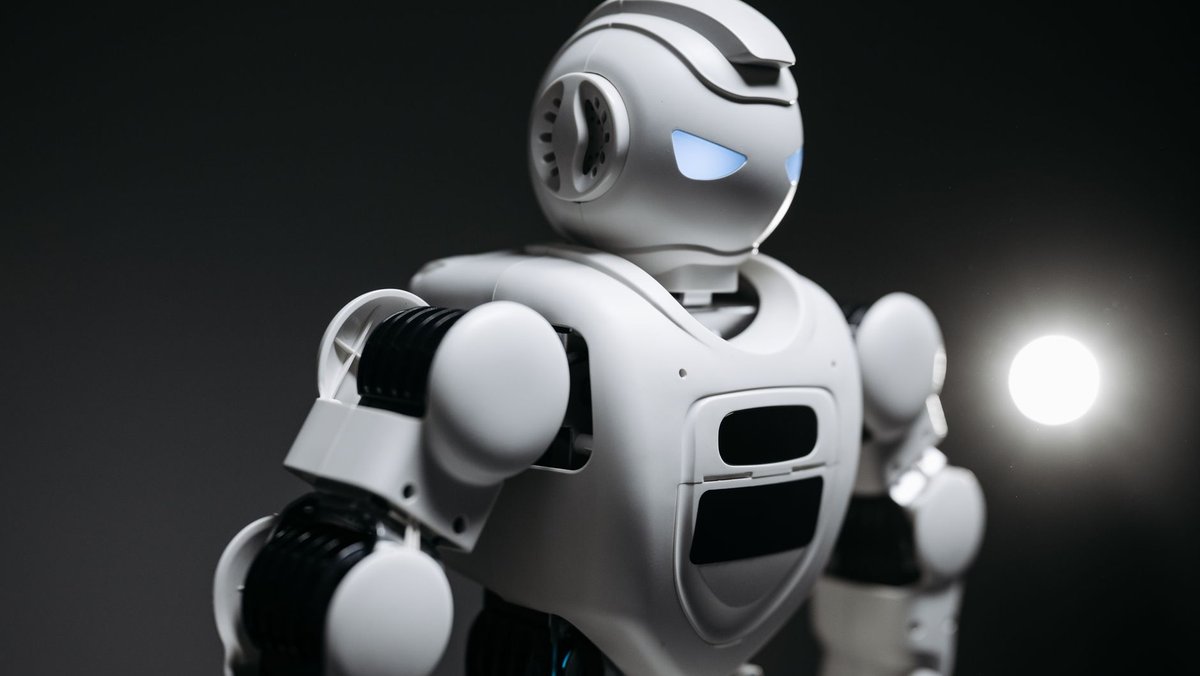
Image Credit: Photo by Stéf -b. on Pexels