- Revolutionizing Healthcare: UT Dell Medicine’s AI-Native Impact by 2026
- Cleveland Clinic’s AI Strategy: A Retrospective on Healthcare Innovation in 2026
- 244 Health Posts: Analyzing Digital Health’s Foundation in 2026
In a critical advancement for long-duration human spaceflight, the collaboration between the National Aeronautics and Space Administration (NASA) and Google continues to yield promising results in the development of an AI-powered medical robot. Initial testing phases, reported to have progressed significantly, underscore a pivotal shift towards autonomous healthcare solutions for missions venturing far beyond Earth’s immediate vicinity, including projected Mars expeditions and prolonged lunar stays.
Autonomous Healthcare: A Deep Space Imperative
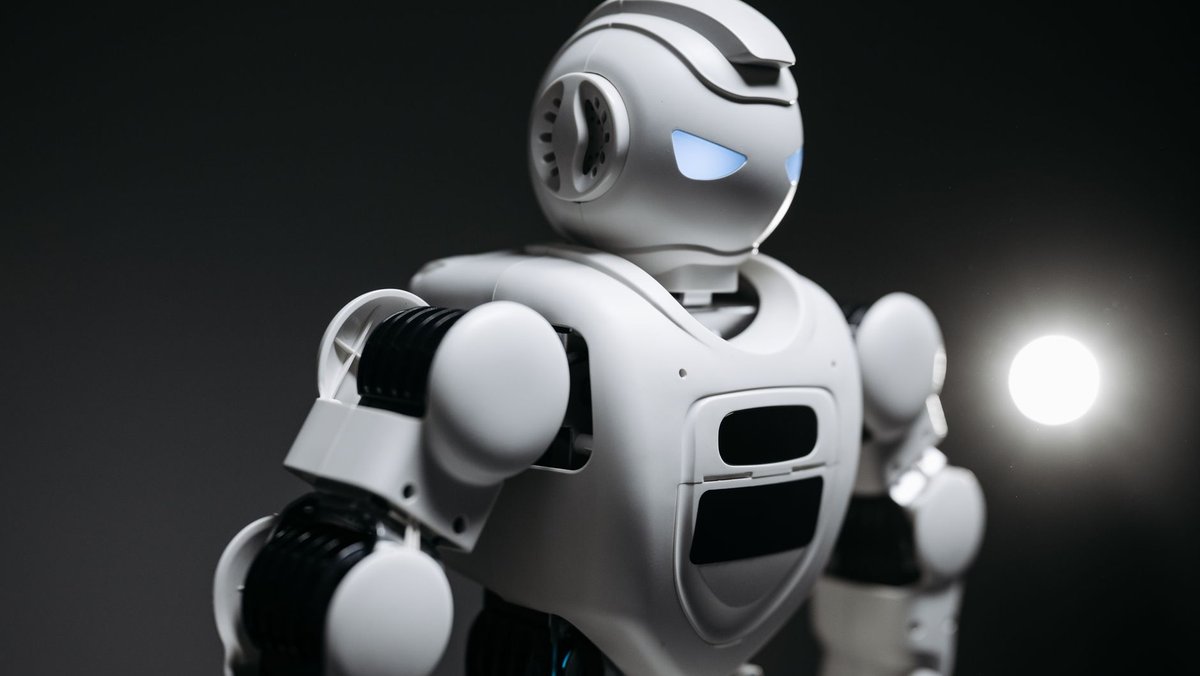
The core objective behind this joint venture, as detailed by industry reports, is to address the inherent challenges of medical emergencies occurring light-years away from Earth. Traditional space medicine relies heavily on real-time communication with ground control and a substantial medical toolkit. However, the immense communication delays and limited resources characteristic of deep space travel necessitate a paradigm shift. The AI-powered robot is engineered to perform complex diagnostics, administer treatments, and even conduct minor surgical procedures with unprecedented autonomy.
Google’s expertise in artificial intelligence, particularly in machine learning and diagnostic algorithms, has been instrumental in equipping the robot with sophisticated decision-making capabilities. NASA contributes its deep understanding of space environments, astronaut physiology, and stringent reliability requirements for extraterrestrial operations. This synergy aims to create a system capable of adapting to unforeseen medical scenarios, offering critical care without immediate human intervention from Earth-based medical teams.
Key Analysis: The Intersection of AI and Space Medicine
Analysts suggest that the successful deployment of such a robot would not only safeguard astronaut health but also fundamentally alter mission planning. The ability to manage medical crises autonomously would significantly reduce the logistical burden of carrying extensive medical supplies and training every astronaut to be a proficient medic. Moreover, it introduces a layer of resilience critical for missions where a single medical incident could compromise the entire endeavor.
However, the ethical and operational considerations are profound. The robot’s capacity for autonomous medical decision-making raises questions about accountability, especially in high-stakes situations where human life is on the line. Ensuring the AI’s diagnostic accuracy and treatment efficacy under novel, unpredictable conditions in space remains a paramount challenge. Rigorous testing and validation protocols are being developed to mitigate these risks, focusing on robust error detection and fail-safes. The project also highlights the increasing trend of integrating advanced AI not just for data analysis but for direct operational roles in critical human support systems, moving from assistive tools to proactive agents.
Why This Matters in the Long Run
The implications of NASA and Google’s AI medical robot extend far beyond the confines of a spacecraft. This pioneering work in autonomous medical systems for extreme environments could catalyze advancements in terrestrial remote healthcare, particularly for underserved regions or disaster zones where human medical professionals are scarce. It also sets a precedent for the role of AI in future human-machine partnerships, pushing the boundaries of what autonomous systems can achieve in preserving human life and enabling ambitious exploration goals. As humanity prepares for sustained presences on the Moon and Mars, such innovations are not merely beneficial but become foundational pillars for survival and success.
The journey from initial testing to full operational deployment in deep space is long, yet the progress reported marks a significant milestone in making interstellar travel a safer and more feasible reality.
Image Credit: Photo by RDNE Stock project on Pexels