- AI and Robotics: The Human-Centric Future of Medicine in 2026
- NASA, Google’s AI Medical Robot: Autonomous Care for Deep Space Missions
- Revolutionizing Healthcare: UT Dell Medicine’s AI-Native Impact by 2026
The vision of autonomous medical care for astronauts on extended deep-space missions, once confined to science fiction, moved closer to reality with pivotal tests conducted by NASA and Google in late 2023. These initial trials, which utilized advanced AI models to guide humanoid robots through simulated medical emergencies, established a critical foundation for the future of off-world healthcare.
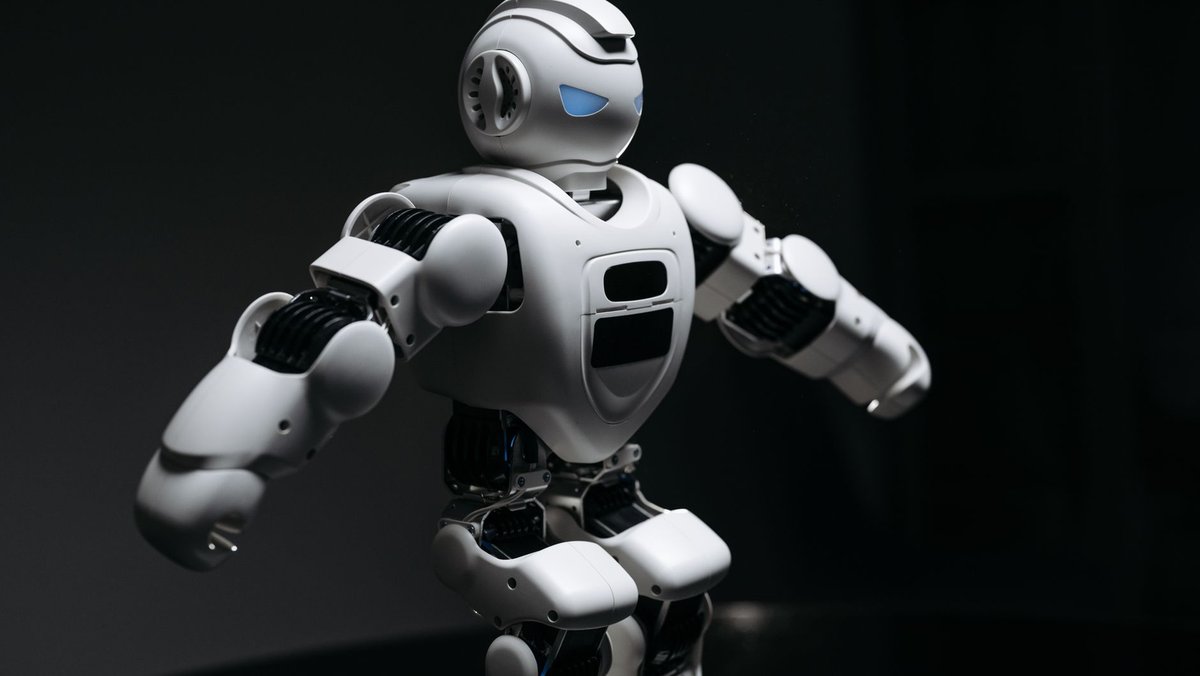
Reported in December 2023 by Nextgov/FCW, the collaboration saw Google’s sophisticated large language models applied to a NASA-developed humanoid robot, specifically designed for disaster relief scenarios, at the Johnson Space Center. The objective was to evaluate the AI’s capacity to diagnose and recommend treatment for various medical conditions without real-time human intervention from Earth. This initiative directly addresses the formidable challenge of communication delays inherent in deep-space travel, where light-speed limitations render immediate consultation with ground-based medical experts impossible.
AI’s Autonomous Leap in Space Medicine
The core innovation lies in the AI model’s ability to process vast amounts of medical data, including diagnostic protocols, treatment guidelines, and anatomical knowledge, to formulate actionable healthcare advice. During the 2023 simulations, the AI-powered robot demonstrated proficiency in assessing patient symptoms, identifying potential ailments, and even suggesting appropriate interventions—ranging from administering medication to performing minor procedures. This autonomous capability is paramount for missions to Mars or beyond, where a round-trip communication delay could span minutes to hours, making urgent medical decisions impossible under Earth-commanded protocols.
Analysts suggest that these early tests not only validated the technical feasibility of AI-driven medical assistance but also underscored the potential for reducing the psychological and physical burden on astronaut crews. With a self-sufficient medical system, astronauts could focus on their primary mission objectives, knowing that advanced care is available even in extreme isolation. The integration of such sophisticated AI into existing robotic platforms, like those NASA has been developing for versatile tasks, represents a strategic convergence of robotics and artificial intelligence tailored for the unique demands of extraterrestrial exploration.
Ethical Frontiers and Long-term Implications
The deployment of autonomous AI in critical medical roles inevitably raises profound ethical and operational questions. The 2023 tests, while successful in demonstrating technical prowess, initiated crucial discussions around the limits of AI autonomy in life-or-death situations. Who bears ultimate responsibility for an AI’s medical decision? How are AI systems continuously updated and validated in environments where traditional oversight is limited? These remain active areas of research and policy development as humanity pushes further into space.
Why This Matters in the Long Run
Looking ahead to 2026 and beyond, the groundwork laid by NASA and Google in 2023 continues to be a cornerstone for future deep-space endeavors. The maturation of AI medical robots is not merely about treating ailments; it’s about fundamentally reshaping the architecture of long-duration space missions. It enables extended human presence beyond low Earth orbit, reduces mission risk, and provides a template for autonomous systems in other high-stakes, remote environments, including disaster zones on Earth. This pioneering work accelerates the timeline for truly self-sufficient space habitats and interplanetary travel, positioning AI as an indispensable crew member rather than just a tool.
The journey from initial concept to fully autonomous space medic is extensive, yet the early successes of NASA and Google’s collaboration affirm the trajectory towards a future where intelligent machines safeguard human health across the cosmos.
Image Credit: Photo by Pavel Danilyuk on Pexels